How to Find Medical Care While Traveling Abroad (What to Do If You Get Sick)
When planning a trip, we spend hours comparing hotels, plotting train routes, and researching itineraries. Few of us spend much time thinking about what we’d do if we came down with an infection, injured our backs, or realized we’d forgotten important medicine at home.
I’ve experienced it all while traveling, and it’s taught me something I hadn’t expected: finding a doctor abroad is far less complicated—and usually far less expensive—than many travelers imagine.
What I’ve also learned from traveling for the last 25+ years is that knowing your options ahead of time can make unexpected situations feel much less stressful.
📍 Disclosure: This post contains affiliate links, and I might earn a tiny commission if you click and purchase through them, at no extra cost to you! Thank you for helping me do what I love. ❤️
Call for Help
The “911” equivalent across Europe is 112.
And because it is the international GSM mobile emergency standard, dialing it on any modern smartphone will automatically reroute your call to local emergency services in many Asian countries, too, even without a local SIM card.
While the UK emergency number is 999, 112 will also reroute you to emergency services there.
911 is the number to use in the USA, but also works in Mexico, Ecuador, Costa Rica, and Argentina.
Wherever you’re going, make sure you know how to call and that everyone in your traveling cohort does as well.

Can Tourists See a Doctor in Europe?
Yes! Tourists can see a doctor or go to a medical clinic or hospital while traveling in Europe. Doctors and hospitals in Europe treat people based on medical need, not based on what insurance they have.
Local Clinics Are Often Your First Stop
For non-emergency medical concerns, most cities and even smaller towns have medical clinics or centers with general practitioners who see patients by appointment or walk-in.
You might see the words: clinique médicale or centre médicale or centres médicaux (plural) in France.
I’ve visited the clinic in my village a few times. The cost was around €25, and I was examined by a licensed physician. I left with a prescription that I filled at a nearby pharmacy for €8.
Before leaving home, it’s worth researching the nearest medical clinic to your hotel or accommodation, just in case.
❗❗If you’re experiencing a medical emergency, however, go directly to the nearest hospital or call the local emergency services number (see above).
Telemedicine is Easy While Traveling

Sometimes you just want to talk through a concern. Or maybe you need a prescription filled (U.S. doctors cannot write prescriptions that European pharmacies will dispense).
In the EU, you need to see a doctor for a prescription. Luckily, Telemedicine works, and couldn’t be easier.
On a recent trip, I used Doctorsa, a telemedicine platform that offers 24/7 urgent care and primary care video visits with licensed physicians in over 40 countries. No sign-up or ‘membership’ required!
Simply describe your symptoms, needed meds, or specific request, enter your location, and choose a preferred appointment time.
Available physicians respond through WhatsApp in less than 5 minutes, and you can select the doctor and appointment that best fits your schedule.
There is a consultation fee, paid at the time of booking, and it starts as low as €20.
👉You can also use Doctorsa to find urgent care clinics and walk-in medical centers while traveling abroad!
Another options is Air Doctor
Download Doctolib
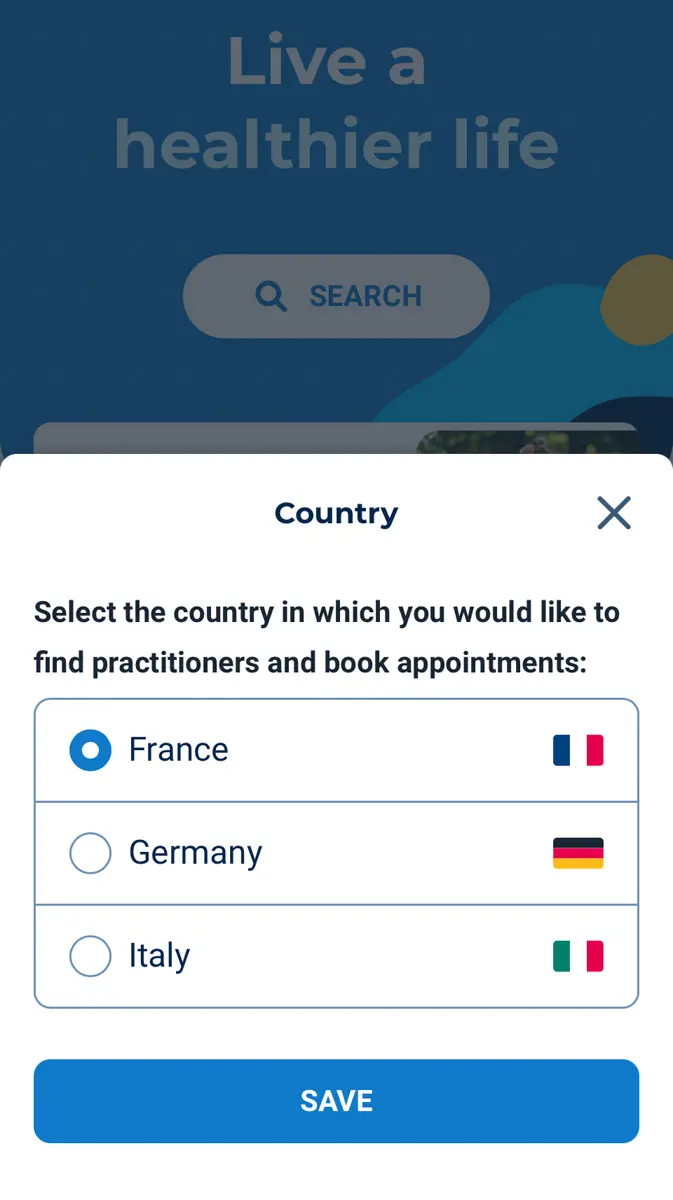
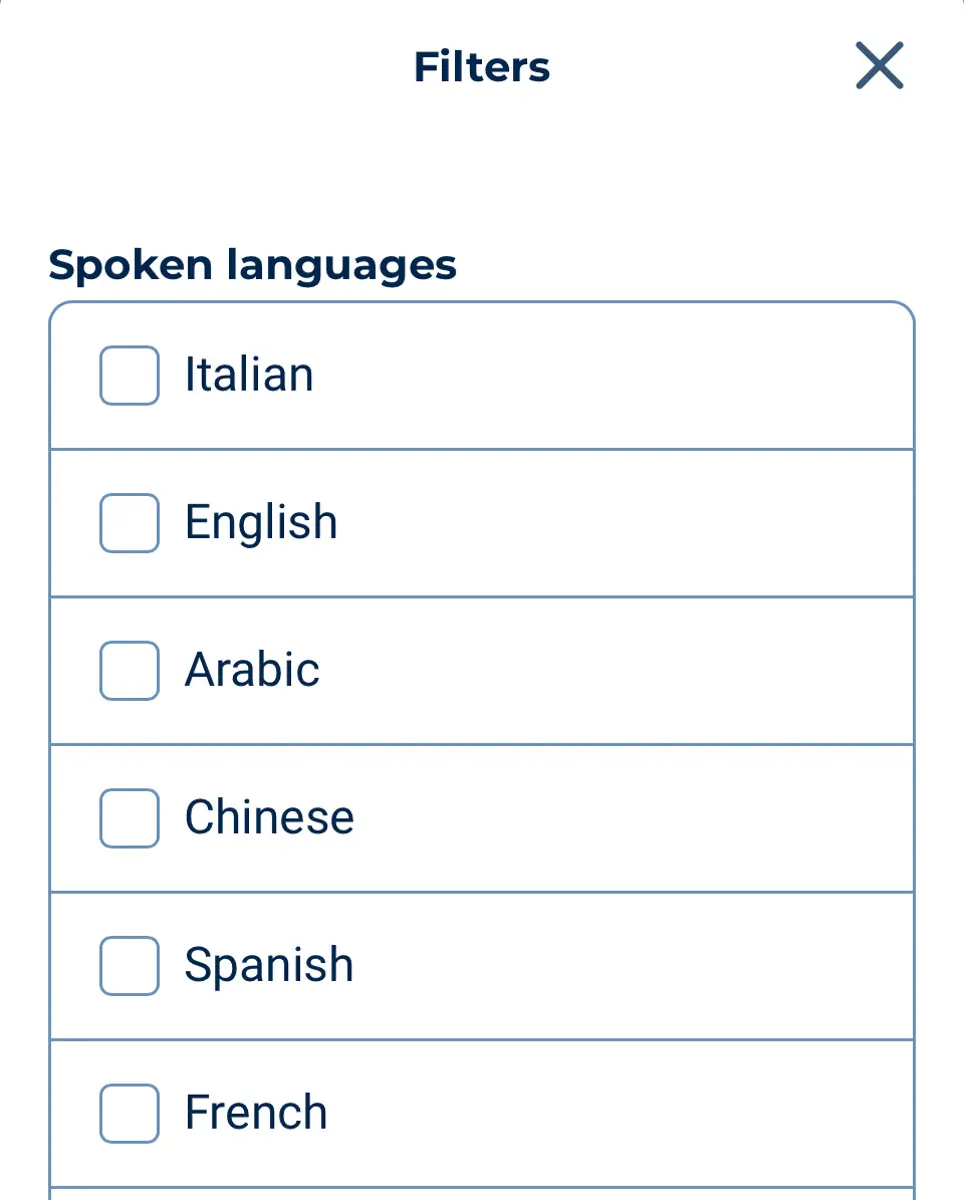
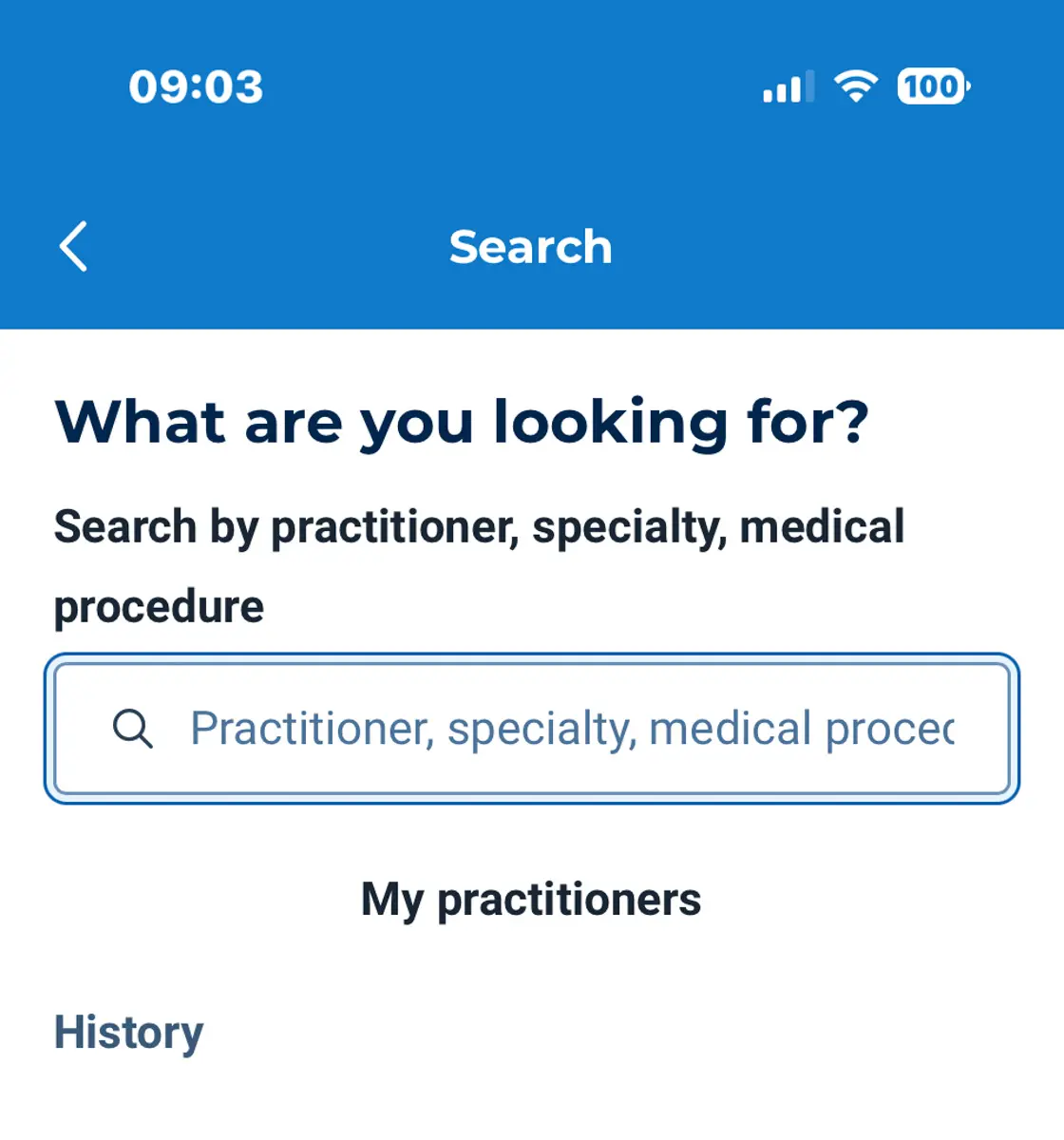
I recommend a lot of great travel apps here that make my life easier, and one of them is Doctolib.
It’s a free platform that lets you search for individual doctors, dentists, pediatricians, specialists, physical therapists, laboratories, and other healthcare providers in France, Germany, and Italy, and then book appointments without making a phone call.
I found an excellent chiropractor through Doctolib along with a physical therapist who really helped me heal a nagging back injury.
You can search by a specific name (if you were referred to someone), by specialty, and can even filter by spoken language. Once you book, the app will also send you appointment reminders.
Consider Travel Insurance
I know travel is already expensive, and travel insurance isn’t as sexy a topic as great beaches or awesome family hotels.
But it’s really important to consider, as it isn’t just for delayed flights or lost luggage.
Depending on the policy, the right travel insurance may help cover unexpected medical expenses, hospital stays, emergency transportation, or medical evacuation.
📍Consider getting a quote if traveling to destinations with limited access to healthcare, visiting remote regions, or participating in high-risk activities.
Don’t Overlook the Local Pharmacy
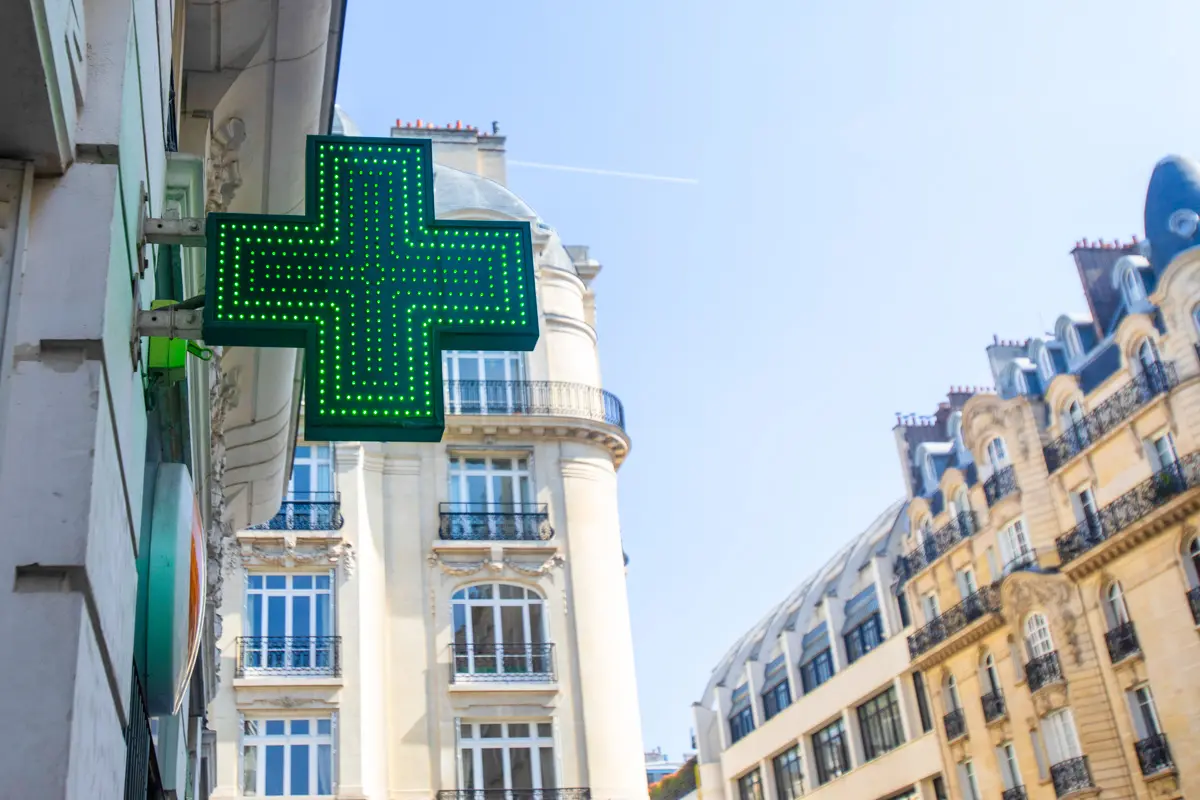
Pharmacies are easy to spot in Europe by the illuminated green cross outside.
And pharmacists are highly trained and knowledgeable and can often help with minor ailments, recommend over-the-counter medications, and advise whether it’s best to see a doctor. This is where I go if I have a sore throat, skin irritation, a stuffy nose, etc.
If you need medication outside normal business hours, many countries operate an on-call pharmacy system. In France, these are called pharmacies de garde.
Typically, one (or sometimes a few) pharmacy in the area remains available at night, on weekends, and on holidays on a rotating basis.
You can usually find the nearest one by checking the notice posted on the door of any pharmacy, asking your hotel, or searching online for pharmacie de garde in your city.
Peace of Mind: A Pre-Trip Checklist
A little preparation goes a long way. Before traveling, make sure you have:
✔ Enough prescription medication for my entire trip, plus a little extra in case of extensions or delays.
✔ A list of my medications and their generic names, since brand names often differ from country to country.
✔ Digital copies of your travel insurance information. A printed copy in my luggage.
✔ The address of your accommodation (leave a copy with family members at home, too).
✔ The emergency services number noted in your phone. 112 in Europe.
✔ A translation app on your phone in case you need to describe symptoms or understand instructions and can’t find an English speaker.
✔ Name/address of a clinic or hospital near your accommodations.
One Less Thing to Worry About
Getting sick or injured is never part of an itinerary, but it doesn’t have to derail an entire trip.
Knowing that local clinics, pharmacies, telemedicine services, and travel insurance are all options has made me much more confident when I’m far from home.
Hopefully, you’ll never need any of them. But life happens, and having a plan before you travel can make an unfamiliar situation feel much more manageable.
❗Disclaimer: This article is based on my personal travel experiences and is intended for informational purposes only. It should not be considered medical advice. If you are experiencing a medical emergency, seek immediate assistance from local emergency services or the nearest hospital.