Art on the French Riviera: 15 Museums, Chapels & Unexpected Towns to Visit
There are good reasons artists fell for the French Riviera: the saturated colors, the mild winter weather, and the sea, mountains, palm trees, pink villas, exotic gardens, and that peculiar Mediterranean light that artists kept obsessing over.
📍 This post contains affiliate links, and I might earn a tiny commission if you click and purchase through them, at no extra cost to you! Thank you for helping me do what I love. ❤️
Picasso, Matisse, Chagall, Renoir, Cocteau, Léger, and Signac all spent significant time on the Côte d’Azur, leaving behind far more than just paintings on museum walls.
After more than two decades exploring the French Riviera (and as someone whose own artistic abilities peaked at paint-by-numbers), I’ve discovered art, sculpture, drawings, and more in museums, chapels, gardens, medieval villages, and a few places I never expected.
So when I tell you there’s more to the French Riviera than beaches and rosé, I promise I’m not just reaching for a travel-writing cliché. Art and artistry are everywhere here, and discovering it has become one of my favorite French Riviera itineraries.
Visit these 15 places, and you’ll see some extraordinary art, certainly. But you’ll also start to understand why so many artists came to the French Riviera and, perhaps more tellingly, why so many of them stayed.
Ready? Allons-y!
Map of Art Stops
1. Nice: Matisse and Chagall
I’m not a fan of spending hours and hours in a museum, but Nice deserves a rethink of that rule, especially if the time is split between two exceptional museums: the Musée Matisse and the Musée National Marc Chagall.
Matisse lived in Nice for nearly four decades, and the Musée Matisse occupies a 17th-century Genoese villa in Cimiez, just a quick taxi or bus ride from the Promenade des Anglais.
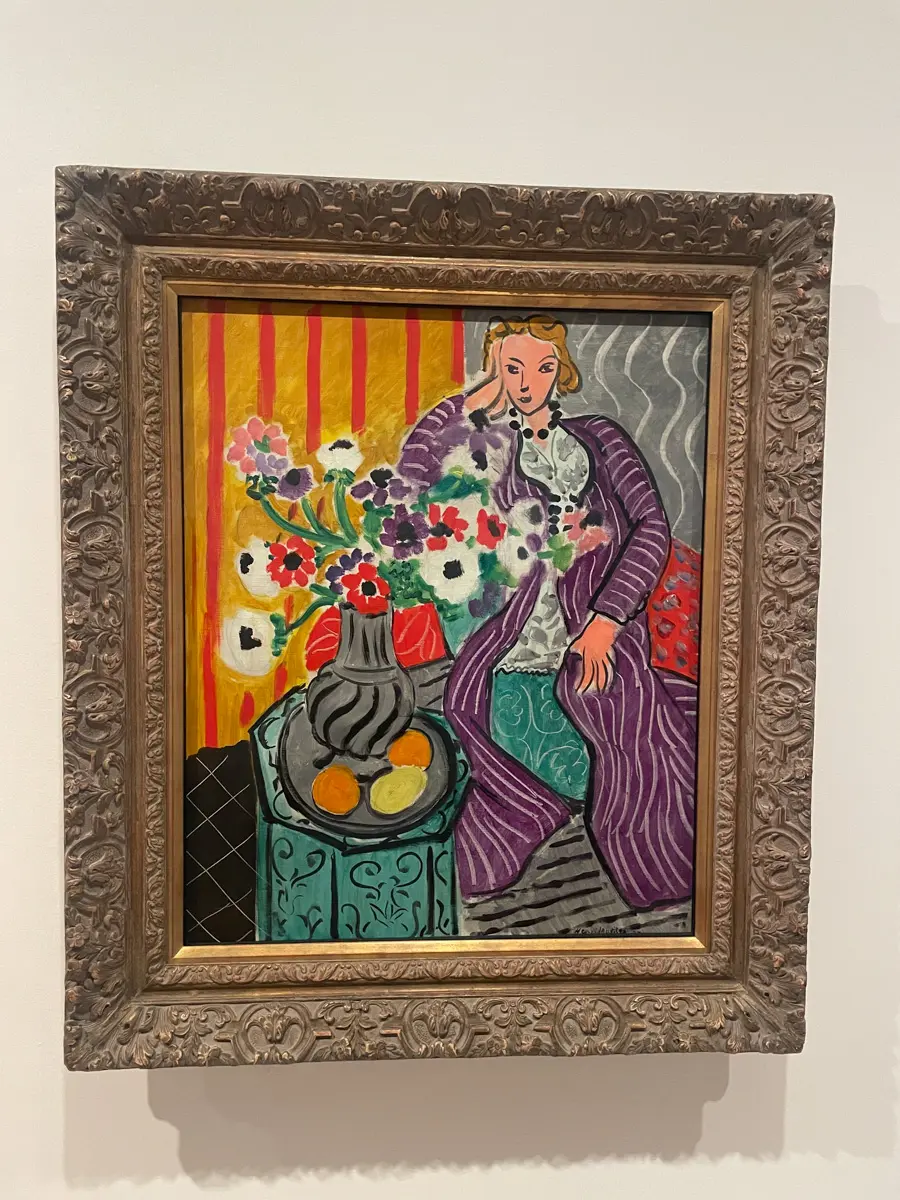
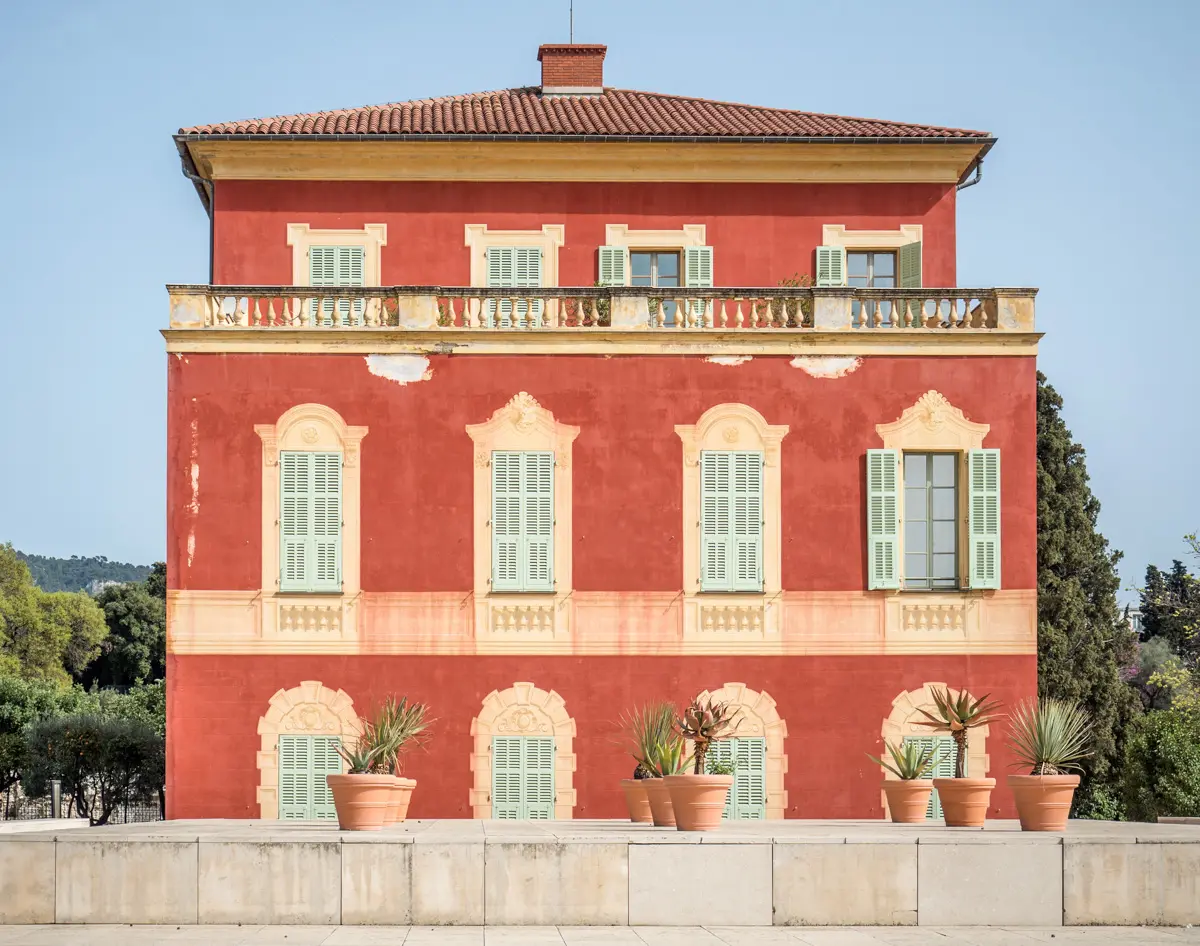
The collection follows his artistic evolution through paintings, drawings, sculptures, photographs, and his wonderfully cheerful cut-outs.
A short distance away, the Marc Chagall National Museum was created during the artist’s lifetime and saturated in his signature reds, blues, and greens. (Closed on Tuesdays and between 1 and 2:30 p.m., but the garden is open.
📍Want to dig deeper into Chagall’s colorful world? Book a guided visit to the Marc Chagall National Museum in Nice to learn more about the artist, his symbolism, and the stories behind his extraordinary Biblical Message series.
2. Vence: Matisse’s Chapelle du Rosaire
If you see only one artist-designed chapel on the French Riviera, make it the Chapelle du Rosaire in Vence, usually just called the Matisse Chapel.
Matisse spent several years designing practically everything about this magical spot, about 12.5 miles from Nice—the architecture, wall drawings, ceramics, and magnificent blue, yellow, and green stained-glass windows.
What I love most about this place is that as the sun moves across the sky, colored light spills through the stained glass and dances across the chapel’s stark white walls, changing hour by hour.
It feels like stepping inside a Matisse canvas and watching the master create in real time.
Address: 466 Av. Henri Matisse, 06140 Vence
3. Saint-Paul-de-Vence: Fondation Maeght and an Entire Village of Art
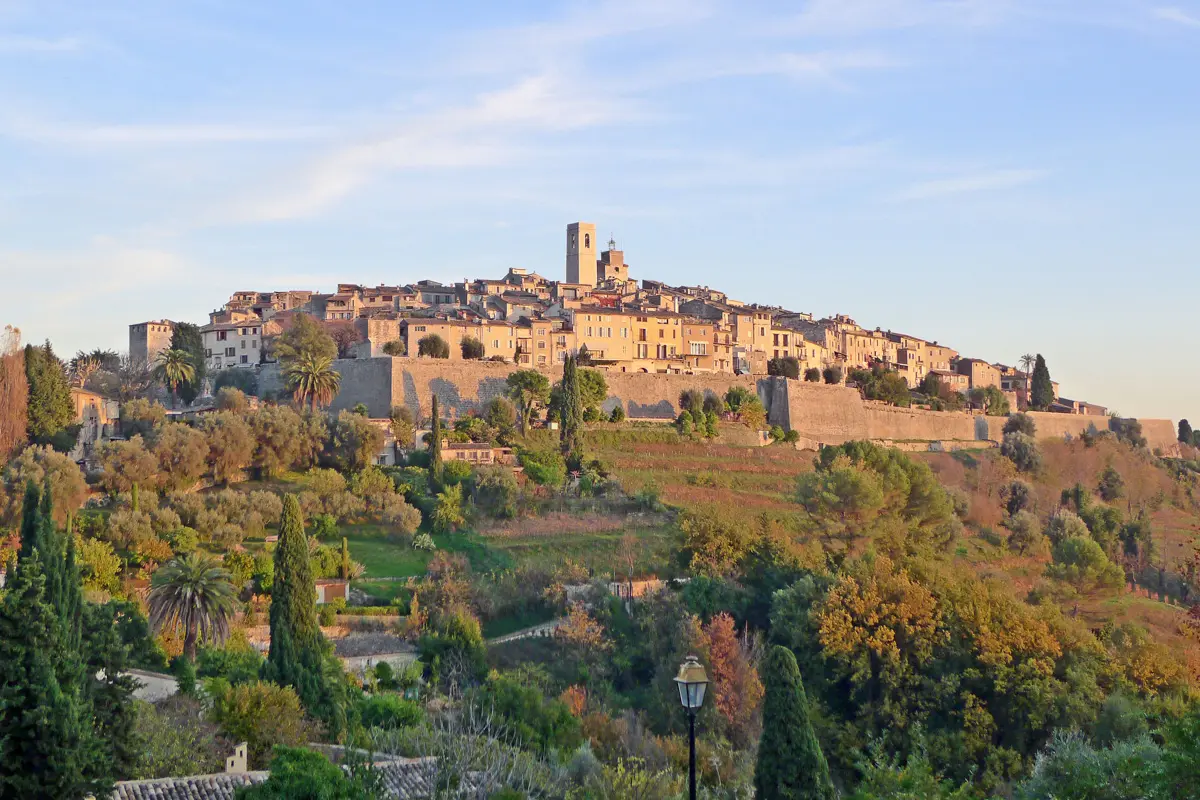
Saint-Paul-de-Vence is one of those villages that must be on a French Riviera art itinerary.
Marc Chagall lived here for nearly 20 years and is buried in the village cemetery. Artists including Picasso, Matisse, and Braque famously gathered at La Colombe d’Or, where some exchanged artwork for meals and lodging.
Be sure to visit the Folon Chapel, A historic chapel transformed into a modern work of art by Belgian artist Jean-Michel Folon.
Inside the peaceful space are eight paintings on canvas, four stained-glass windows, two sculptures and an impressive floor mosaic created from more than a million colorful stones and glass pieces
Just outside the village walls, Fondation Maeght is the heavyweight attraction. The modern-art foundation integrates architecture, gardens, and art, with works by Miró, Giacometti, Braque, Calder, and Chagall.
Address: 623, Chemin des Gardettes, Saint-Paul de Vence
👉Travel Tip: During the summer season (early July to the end of August), the Maeght Matisse tourist shuttle offers rides between the Maeght Foundation, the village of Saint-Paul de Vence, Vence and the Matisse Chapel, making it a convenient and eco-friendly alternative.
4. Antibes: Picasso With a Mediterranean View
The Musée Picasso has one advantage most Picasso museums don’t: Picasso actually worked in the building.
In 1946, he was given studio space inside Château Grimaldi, perched at the edge of the Mediterranean in Antibes. When he left, he donated works he had created there, helping establish what became the world’s first museum dedicated to Picasso.
Inside you’ll find paintings, drawings, and ceramics by Picasso along with works by other modern artists. Outside, sculptures by artists including Joan Miró and Germaine Richier share the terrace with a view across the sea.
🎨 Create Your Masterpiece: Explore the Picasso Museum with a local artist on a small-group drawing tour that mixes Picasso, Antibes history and hands-on sketching. Check tour availability
Address: Place Mariejol, Antibes
For more on visiting Antibes, check out my 5 Best Things To Do in Antibes story.
5. Vallauris: Picasso, Pottery and War and Peace
Picasso arrived in Vallauris in the late 1940s and became fascinated with ceramics, helping revive a pottery tradition that had existed here for centuries.
That legacy remains everywhere. Workshops and ceramic shops dot the town, but the essential stop is the Musée National Picasso’s War and Peace, housed in the former chapel of the Château de Vallauris.
Picasso created the monumental La Guerre et la Paix specifically for the space in the early 1950s, covering its curved walls with his visions of war and peace.
Pair it with a wander through Vallauris’ ceramics studios and pottery museum. This is one of the places where French Riviera art still feels like a living craft rather than something preserved behind glass.
Address: Place de la Libération, Vallauris
6. Biot: Fernand Léger Meets Bubble Glass
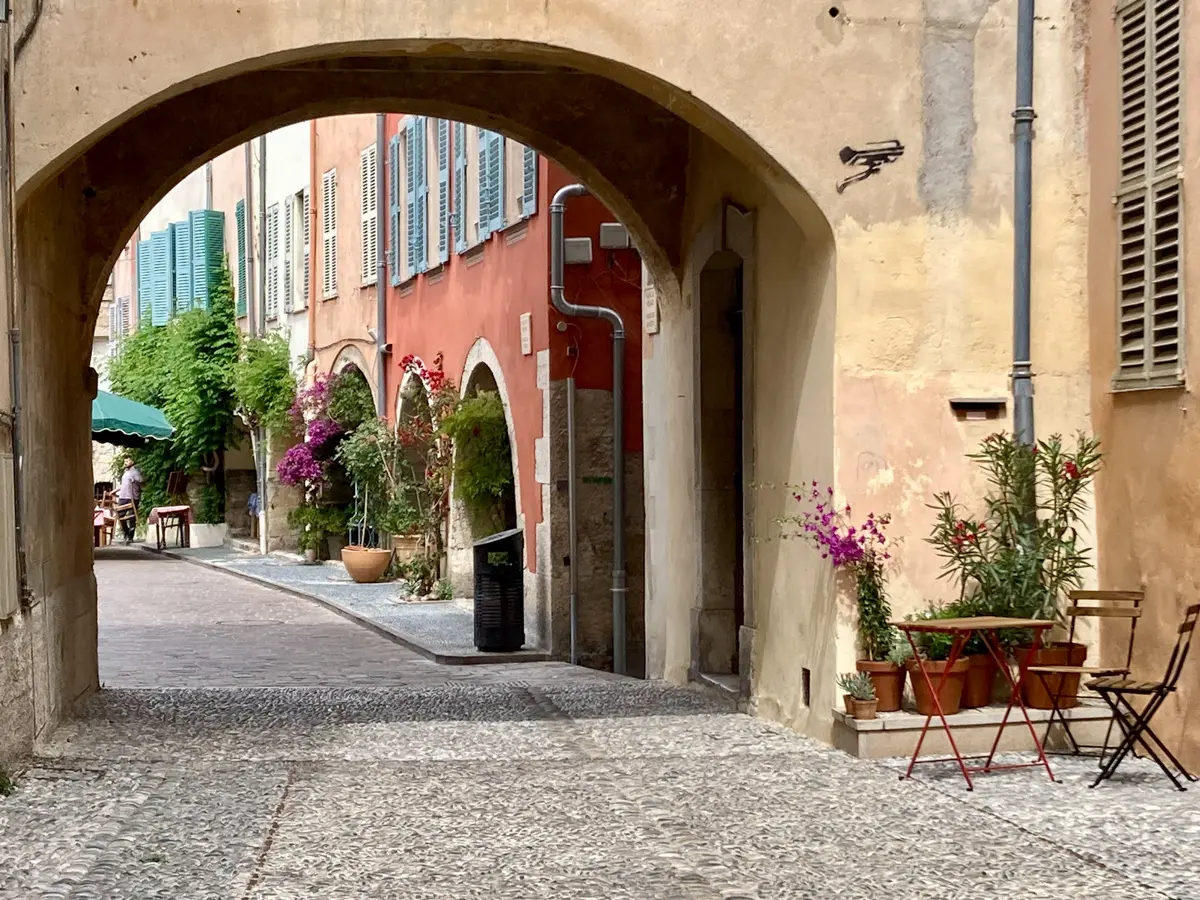
Nearby, the village of Biot gives you a look at two very different artistic traditions.
The Musée National Fernand Léger is instantly recognizable by the enormous colorful mosaic covering its façade.
Inside, paintings, ceramics, mosaics, and drawings trace the French modern artist’s career and his fascination with machines, people, cities, and life.
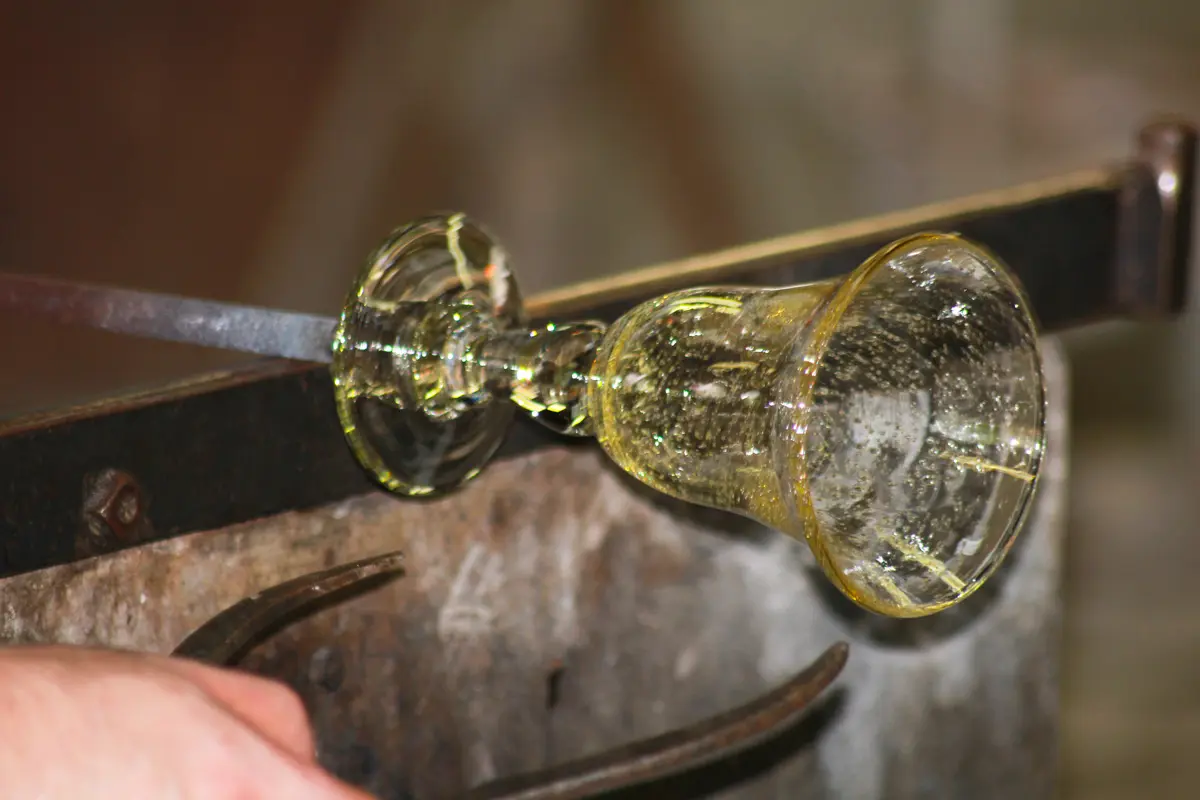
Then head into the medieval village for another kind of art. Biot became famous for its distinctive verre bullé, or bubble glass, in the 20th century.
In the heart of the old village, the Verrerie de Biot still has glassblowers transforming molten sand into glasses, vases, and other sculptural pieces.
Bonus: Bubble glass makes an authentic French Riviera souvenir.
Address: 255, Chemin du Val de Pôme, Biot
7. Mougins: Picasso’s Final Home + A Museum Devoted to Women
Mougins is one of my favorite villages to visit, even if I’m not in the mood for art or a museum.
Its pedestrian streets are filled with galleries, sculpture, gourmet restaurants, and cafes, making it a worthy stop in itself.
Picasso spent the last dozen years of his life in Mougins, but this hilltop village attracted a much wider creative crowd, including Fernand Léger, Jean Cocteau, and Man Ray.
Its newest reason for art lovers to visit is FAMM — Femmes Artistes du Musée de Mougins, which opened in 2024 in the former Mougins Museum of Classical Art.
Its collection is devoted exclusively to women artists and spans Impressionism through contemporary art—a refreshing counterpoint in a French Riviera art story understandably dominated by famous male artists.
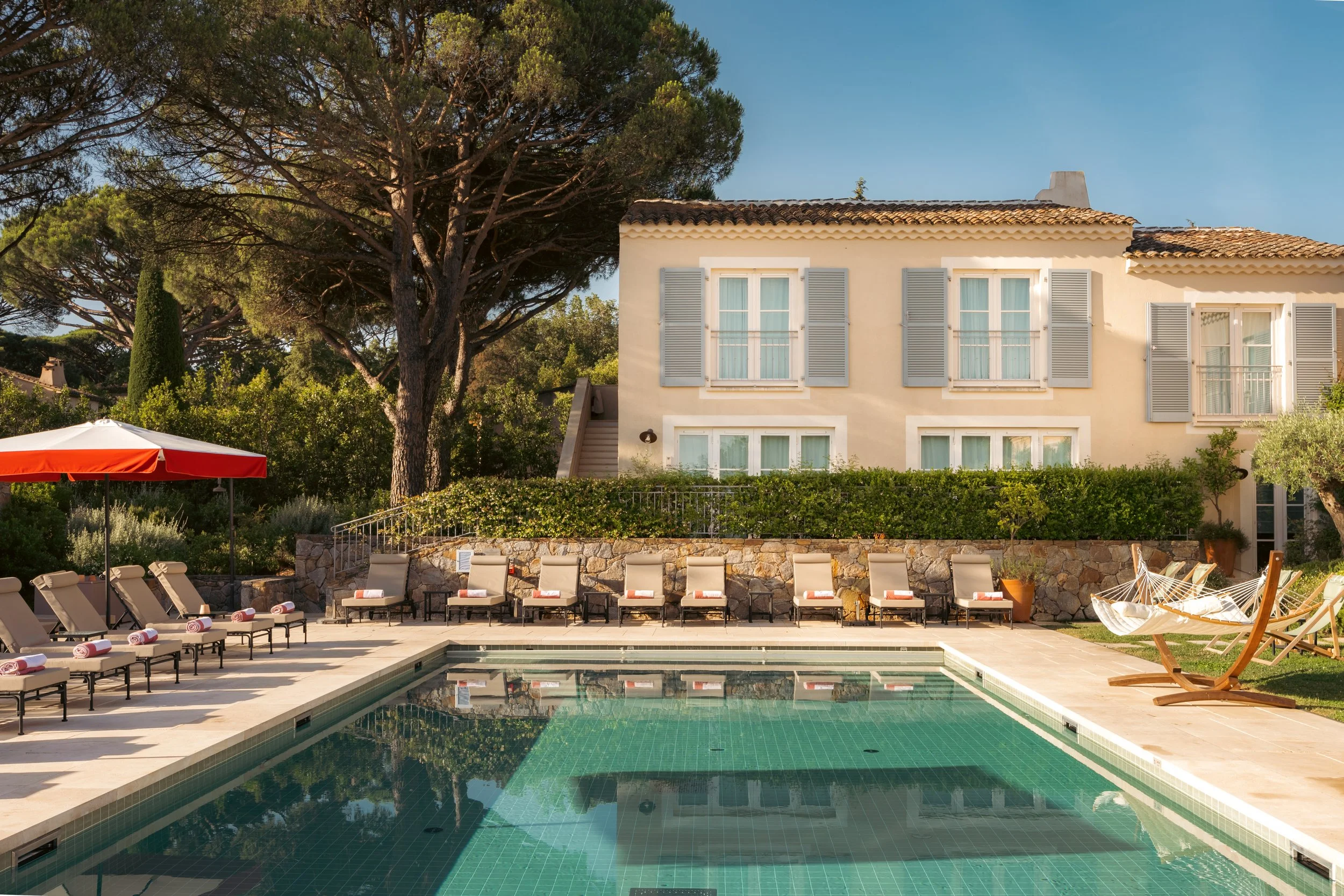
Nearby, Le Mas de Candille is a highly rated hotel and restaurant near the village.
Address: 32, Rue du Commandeur, Mougins
8. Cagnes-sur-Mer: Renoir’s House Among the Olive Trees
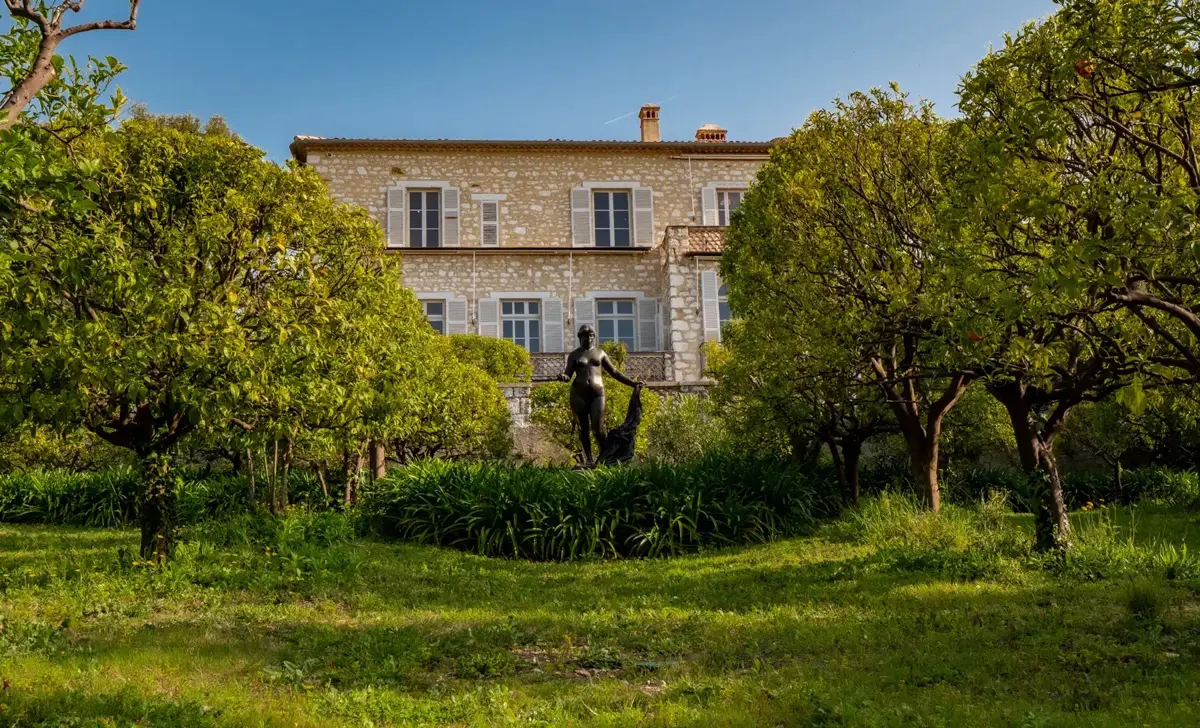
Pierre-Auguste Renoir spent the final years of his life at Les Collettes, his estate in Cagnes-sur-Mer, now the Musée Renoir.
The house is surrounded by old olive trees with views toward Haut-de-Cagnes, and the collection includes paintings, sculptures, photographs, furniture, and the artist’s studio.
9. Villefranche-sur-Mer: Jean Cocteau’s Fishermen’s Chapel
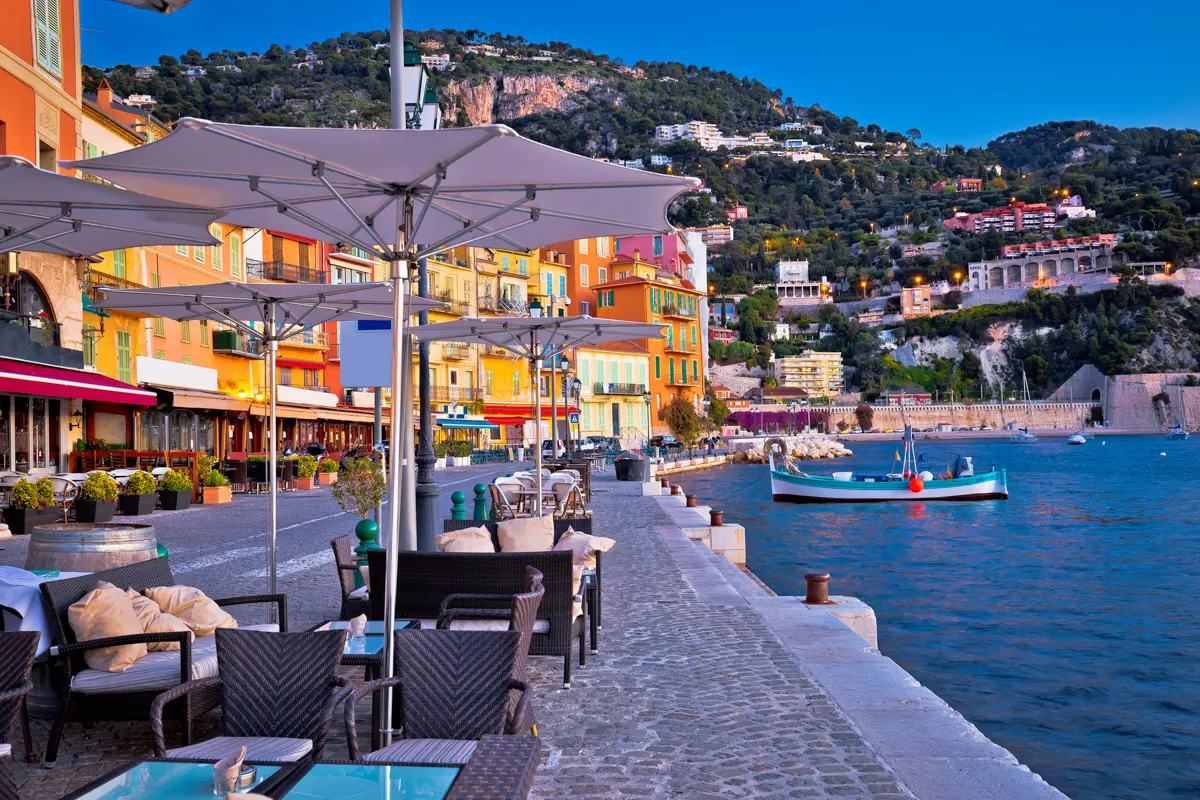
Tiny Chapelle Saint-Pierre sits almost directly on Villefranche’s waterfront and could easily be mistaken for another old fishermen’s chapel.
Until you go inside.
Jean Cocteau decorated the pastel-hued chapel in 1957, covering its interior with scenes honoring Saint Peter, patron saint of fishermen, as well as Mediterranean life.
Cocteau had strong connections to Villefranche-sur-Mer, visiting many times and even (supposedly) staying at the Welcome Hotel on the water.
Villefranche-sur-Mer is easy to reach by train from Nice, and it’s wonderfully easy to incorporate the chapel, harbor walk, Old Town stroll, and lunch into one afternoon.
Address: 4, Quai de l’Amiral Courbet, Villefranche-sur-Mer
10. Menton: Get Married in a Cocteau Work of Art
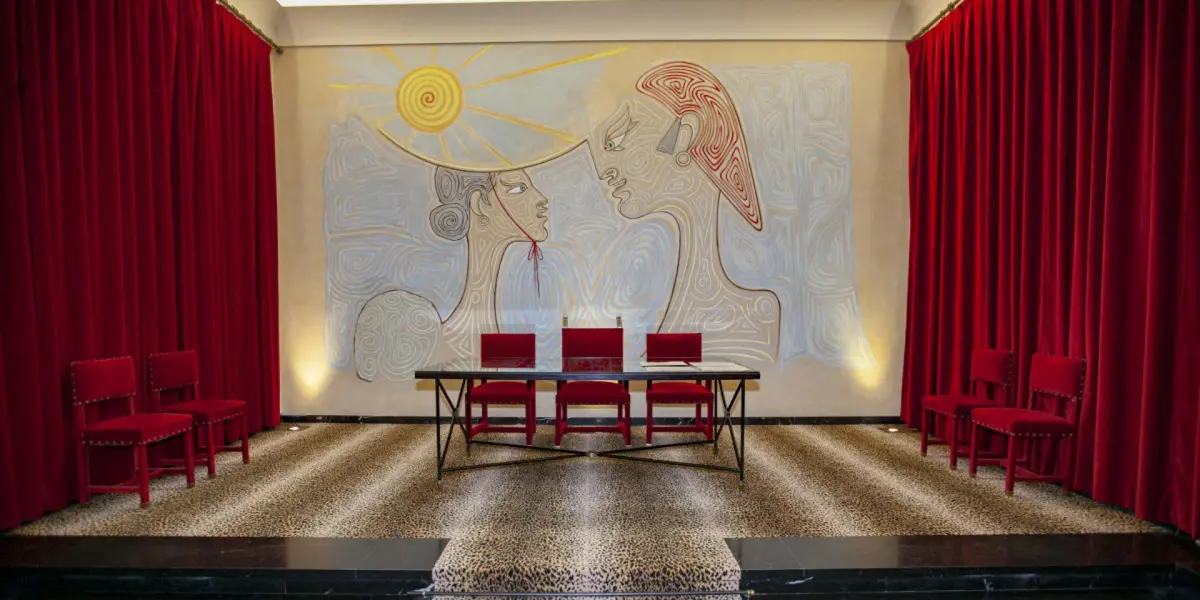
This is a real French Riviera artistic gem.
In Menton, Jean Cocteau decorated the Salle des Mariages inside Hôtel de Ville between 1957 and 1958.
And he didn’t simply paint a few murals. Cocteau designed the entire room, including doors, leopard-patterned carpets, and bronze candelabras, surrounding the marrying couples with lovers, mythological figures, and Mediterranean colors.
The remarkable part? This is still Menton’s actual wedding room! Cool, non?
You can also visit the Bastion, a 17th-century fort that Cocteau himself helped transform into a museum for his work. Together, they make Menton one of the Riviera’s most rewarding Cocteau stops.
Address: 17, Rue de la République, Menton
11. Saint-Tropez: Before the Celebrities Came the Painters
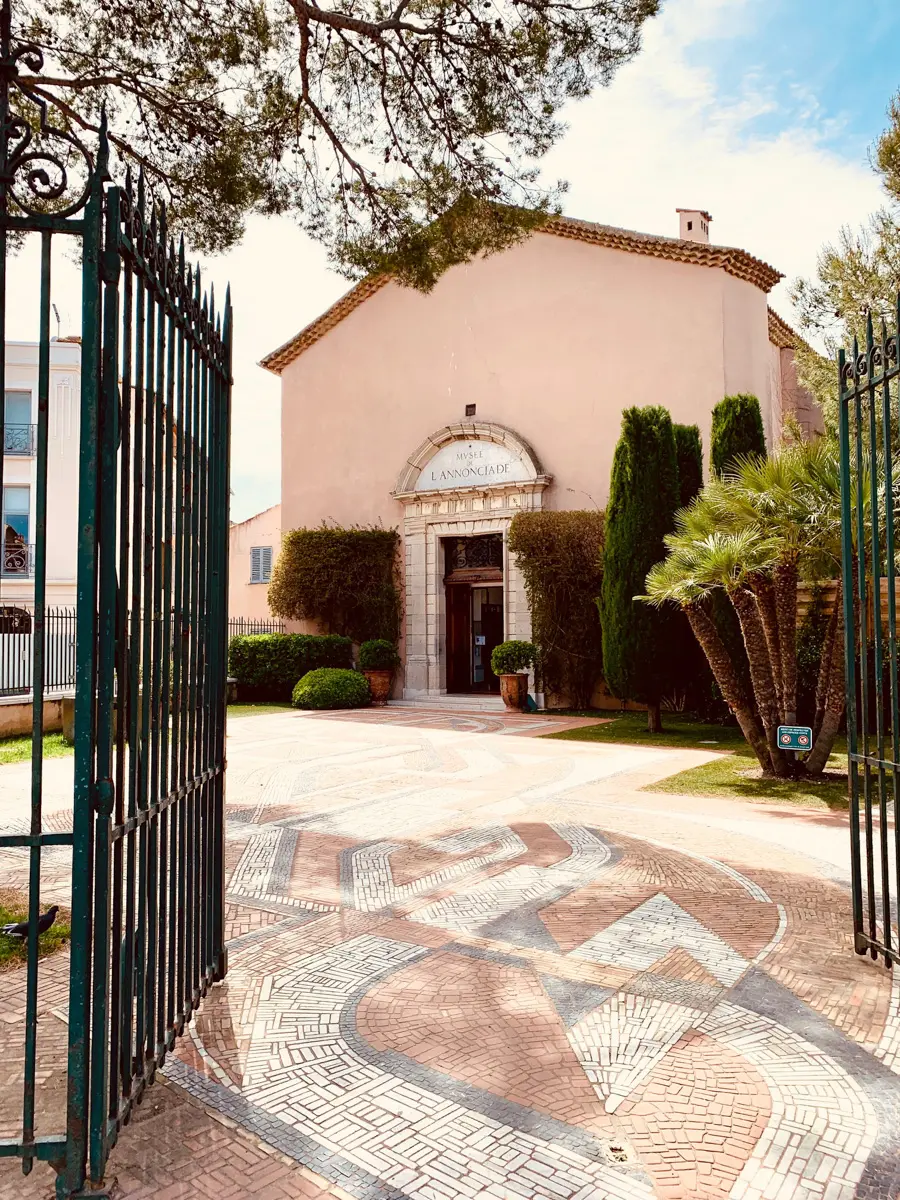
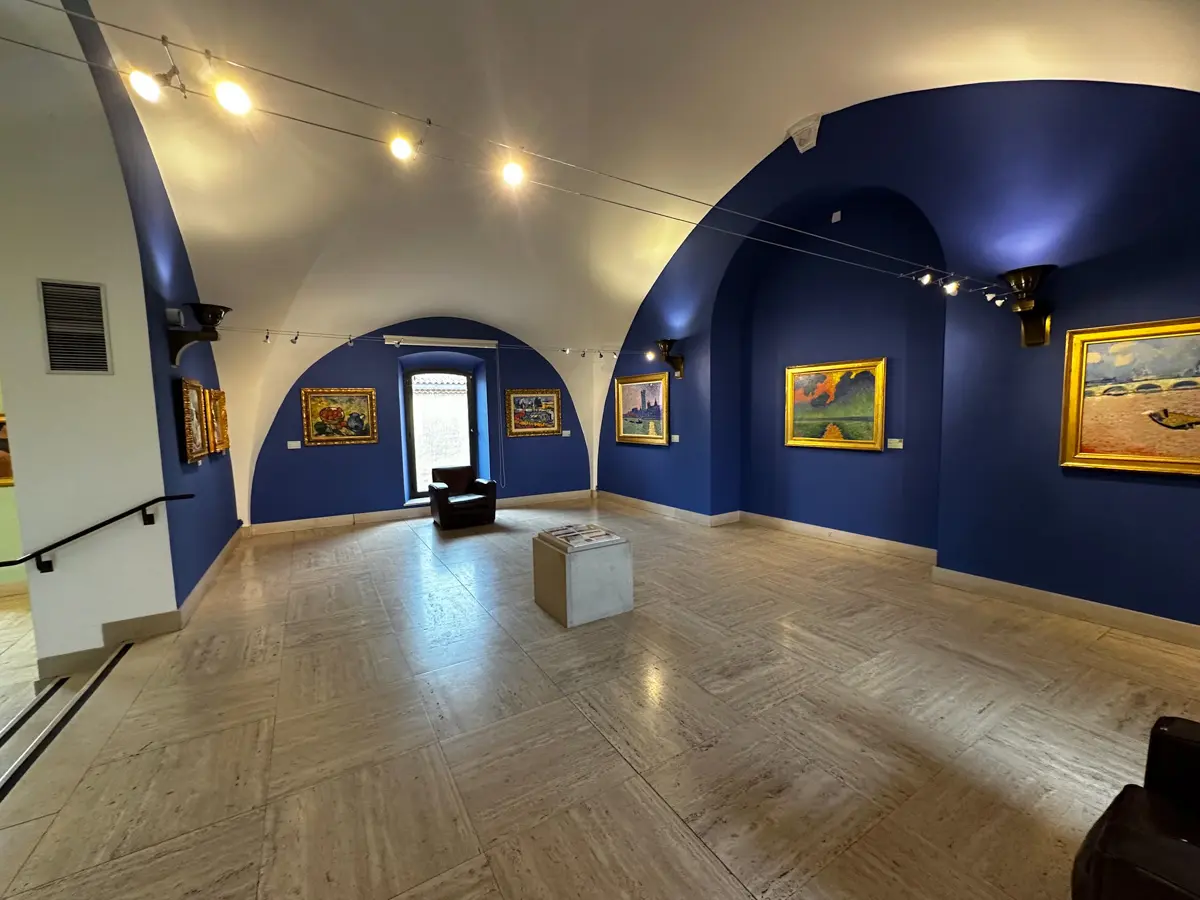
Long before Saint-Tropez became shorthand for yachts and beach clubs, artists were arriving with easels and dreams.
Paul Signac sailed into Saint-Tropez in 1892, bought a house and studio, and invited fellow artists, including Matisse, Derain, and Marquet, to visit. What a dinner party!
The Musée de l’Annonciade, housed in a former chapel near the port, tells the earlier Saint-Tropez story through an excellent collection of works from roughly 1890 to 1950, particularly by Pointillist, Nabi, and Fauvist artists.
It’s compact enough to visit between the market on Place des Lice (Tuesday and Saturday) and lunch. You can then spend the afternoon dipping in and out of Saint-Tropez art galleries, or browsing the easels set up along the port.
Address: 2, Place Georges Grammont, Saint-Tropez
12. Monaco: A Museum Without Walls
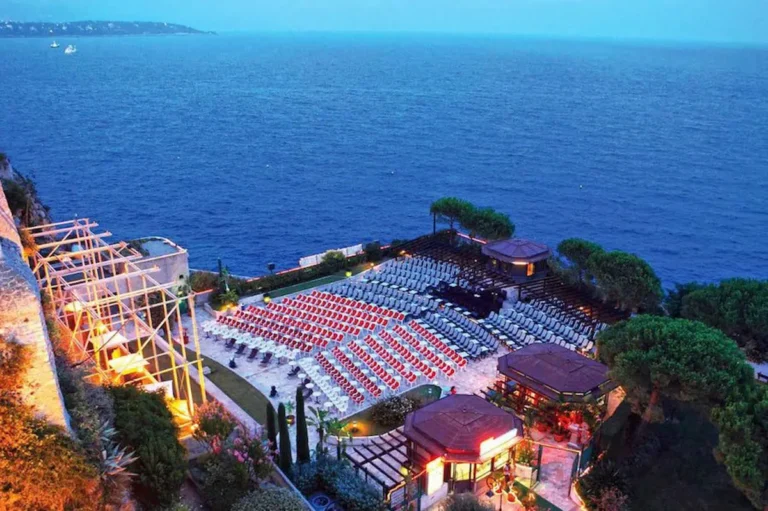
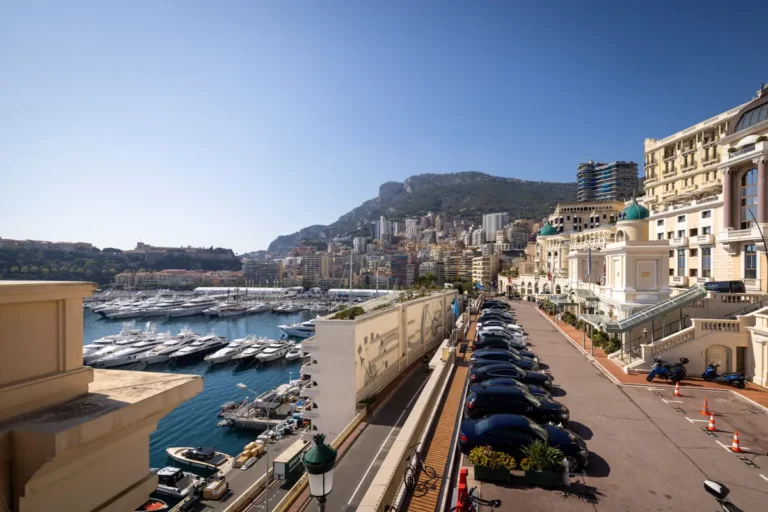
Monaco has plenty of formal cultural institutions, but some of its most interesting art requires no admission ticket at all. A simple walk around its neighborhoods will do.
The Rainier III Sculpture Trail turns the principality into an enormous open-air museum. Prince Rainier III began acquiring and placing contemporary sculpture throughout Monaco in the late 1980s, and today there are around 200 works across Monaco-Ville, Monte-Carlo, and Fontvieille.
Several bus routes criss-cross the principality, making it easy to navigate. Guided walking tours are especially easy if you prefer someone else to lead the way.
Around Monaco, you’ll encounter works by artists including Botero, Anish Kapoor and Victor Vasarely in gardens, plazas and waterfront spaces.
I love this one because you don’t have to “go see art.” You’re simply walking to lunch and—Bonjour, Botero!
13. Cannes: La Malmaison’s New Life
Cannes isn’t only about cinema, though its famous film festival would have you believe otherwise.
Right on La Croisette, La Malmaison reopened in January 2025 after a major two-year renovation that tripled its exhibition space from 207 to 600 square meters.
The contemporary art center now spans three floors and hosts rotating modern and contemporary exhibitions, so check what’s on before visiting.
And its Croisette location makes exploring Cannes easy— Chanel in one direction, contemporary art in the other—and the amazing Ile de Lérins are just offshore, where you can hike, visit an abbey, and explore an underwater eco museum.
Address: 47, Boulevard de la Croisette, Cannes
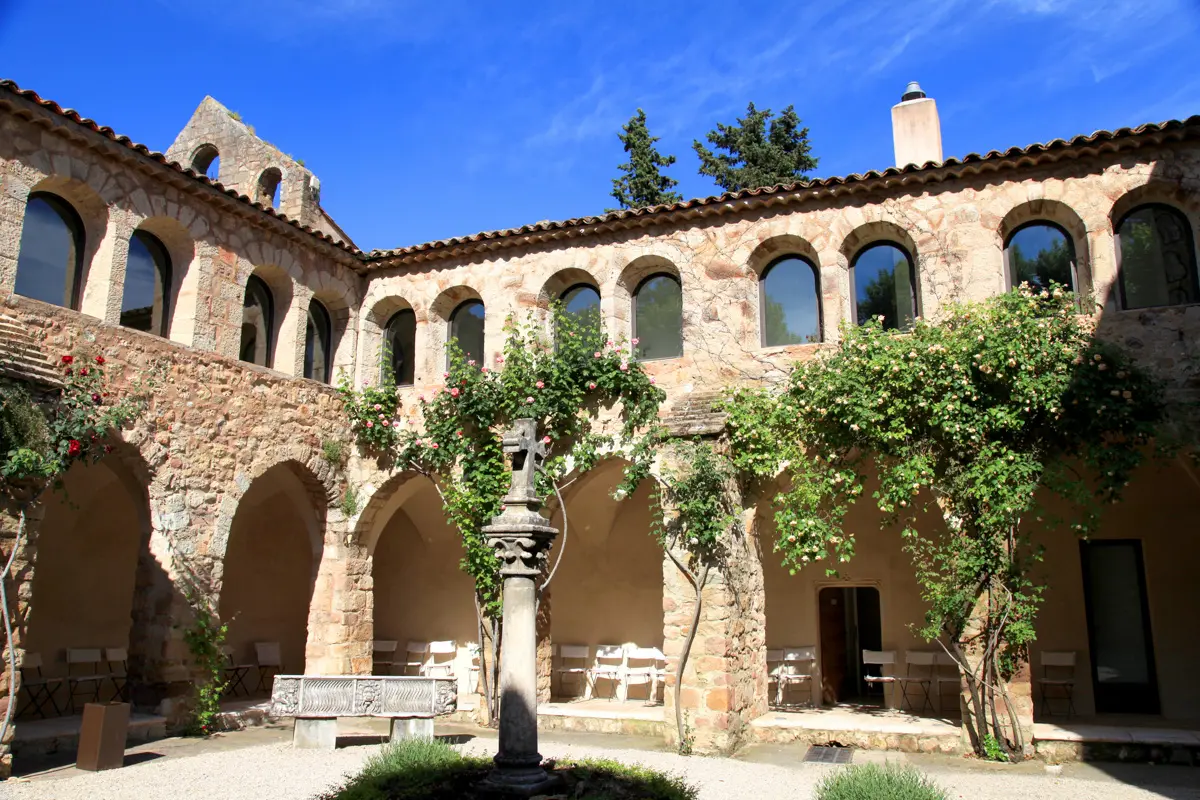
14. Les Arcs-sur-Argens: The Extraordinary Chapelle Sainte-Roseline
This is my art-lover’s detour.
Near Château Sainte-Roseline outside Les Arcs-sur-Argens, the medieval Chapelle Sainte-Roseline combines religious history with an unexpectedly serious collection of 20th-century art.
Beginning in 1968, patron Marguerite Maeght helped bring modern artists into the ancient space. Look for stained glass by Raoul Ubac and Jean Bazaine, a bronze bas-relief and lectern by Diego Giacometti, and Marc Chagall’s enormous 1975 mosaic, Le Repas des Anges.
The chapel also contains the relics of Sainte Roseline herself.
Chagall, Giacometti, medieval architecture, a saint, and a neighboring Cru Classé vineyard?
This is precisely the sort of French Riviera art stop that isn’t on every tourist’s radar.
Address: Route de Sainte-Rosaline, Les Arcs
15. La Brigue: The “Sistine Chapel of the Alpes-Maritimes”
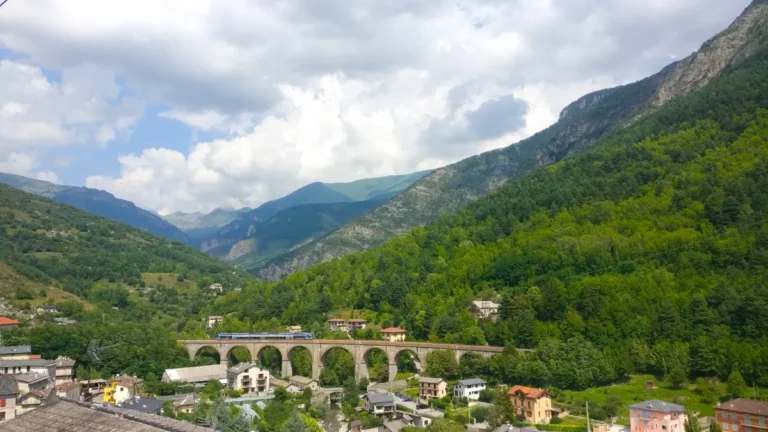
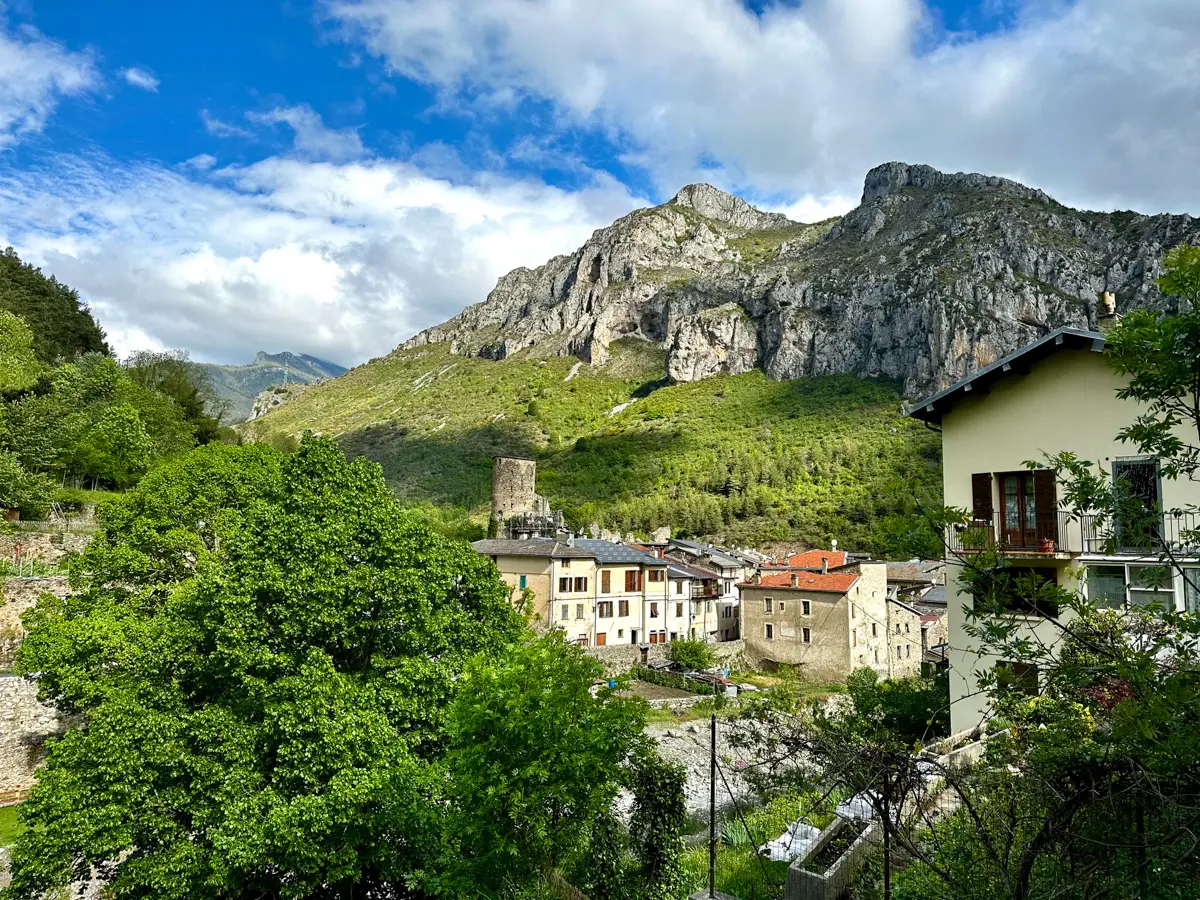
Not long ago, I took the Train des Merveilles from Nice and discovered something utterly amazing.
Less than two hours from the French Riviera, another world, including a small chapel in the mountain town of La Brigue, high in the Roya Valley near the Italian border.
Notre-Dame-des-Fontaines looks fairly modest from the outside. Step through the door, however, and nearly every available surface explodes with color.
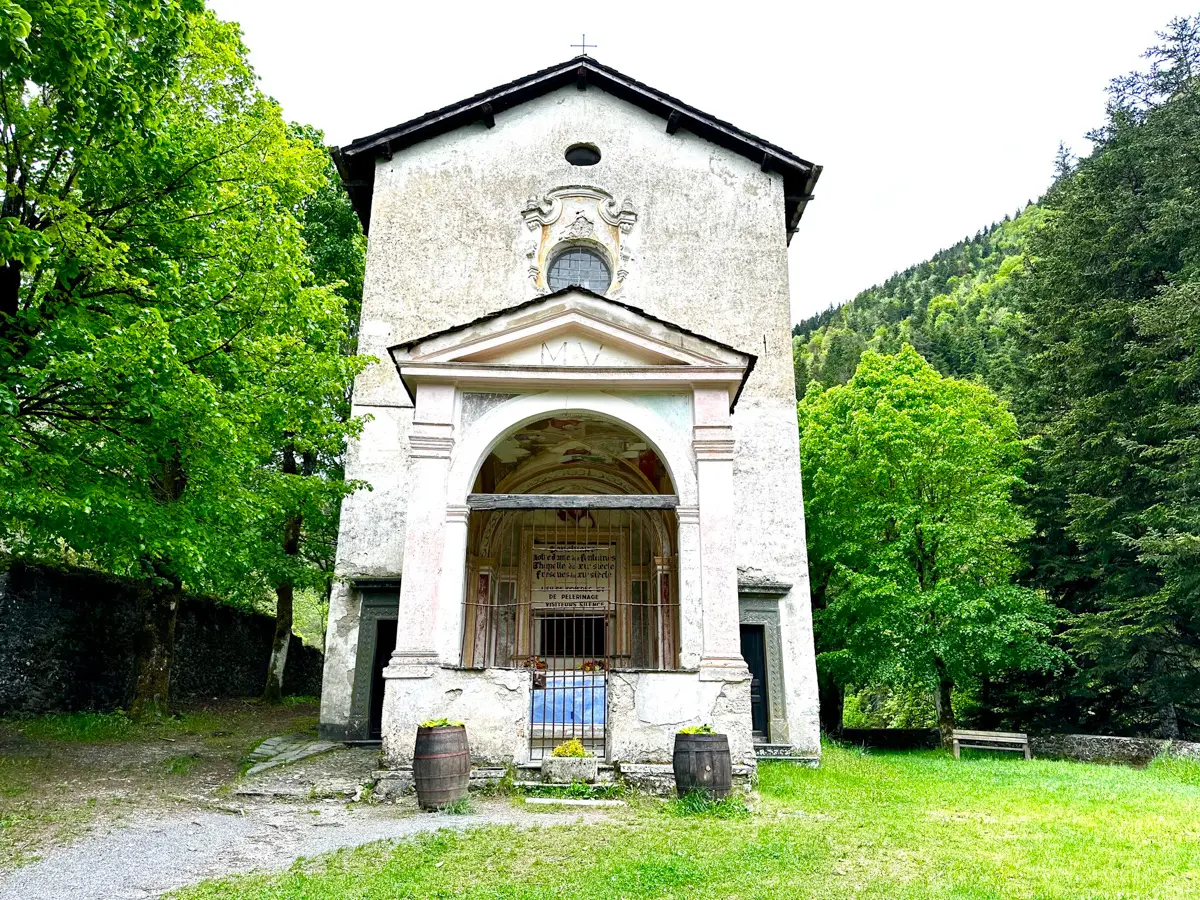
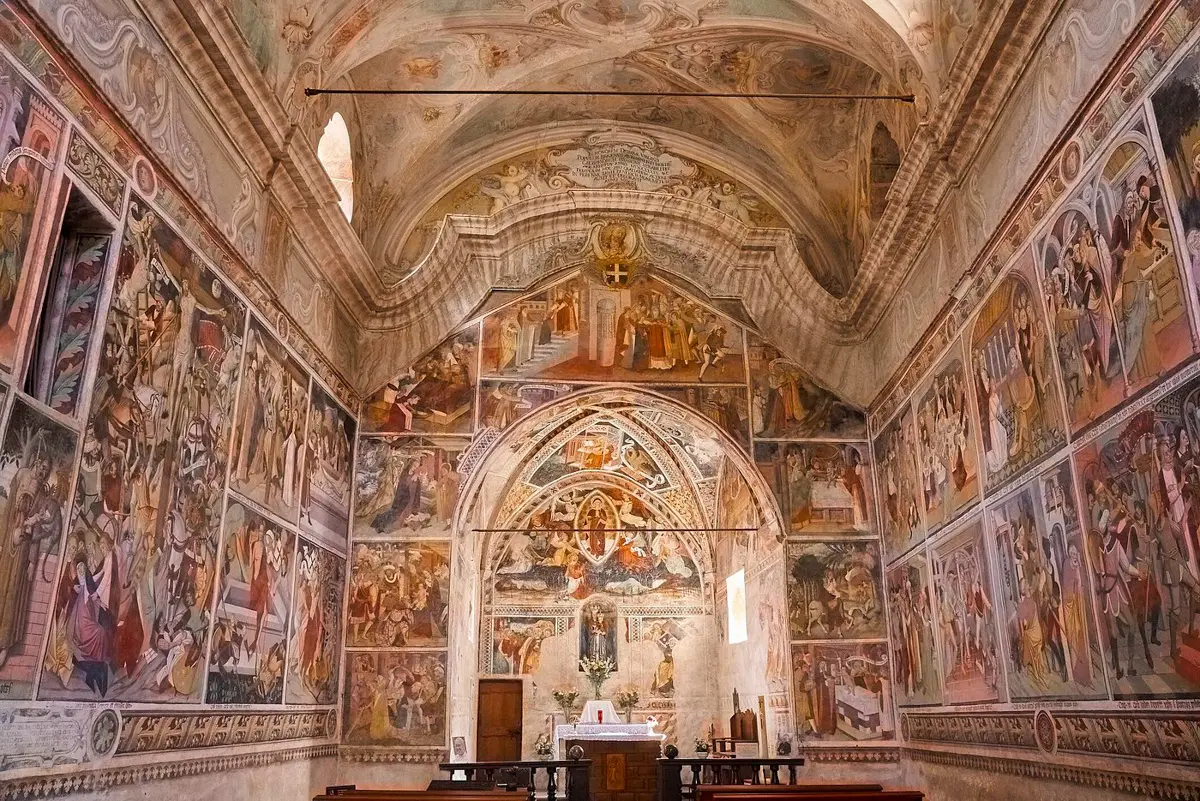
Nicknamed the “Little Sistine Chapel of the Alpes-Maritimes,” the sanctuary contains around 25 individual panels of remarkably preserved 15th-century frescoes by Piedmontese painters Giovanni Canavesio and Giovanni Baleison.
The frescoes tell the story of the Passion of Christ, and the colors are brilliant.
You can walk from La Brigue train station to the Notre-Dame des Fontaines chapel via a scenic 4- to 6-kilometer interpretative loop trail that takes about 1 to 1.5 hours each way. Or, contact the tourist office. Sometimes during summer, there is a shuttle.
👉 Travel Tip: An overnight in La Brigue is a nice way to break up your stay on the French Riviera.
I stayed at Auberge Saint Martin. The rooms are rustic at best, but the town is charming, and the food is exceptional, so definitely plan to dine in.
Address: Vallon de la Madonne, La Brigue