Shoulder season is no longer travel’s best-kept secret—but remains a sweet spot
Once upon a time, shoulder season belonged mostly to retirees, travel insiders, and people lucky enough to ignore school calendars. Now everyone seems to be chasing the same thing: quieter streets, lower prices, better weather, and the fantasy of experiencing a destination sans crowds.
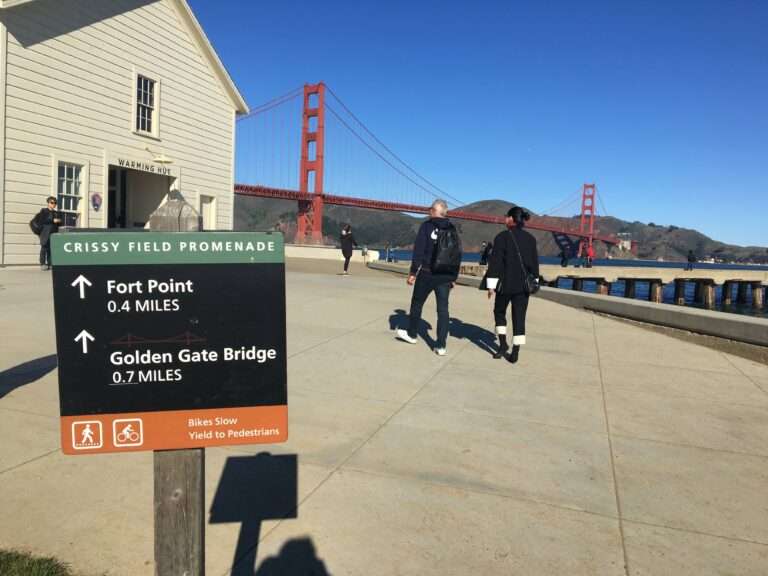
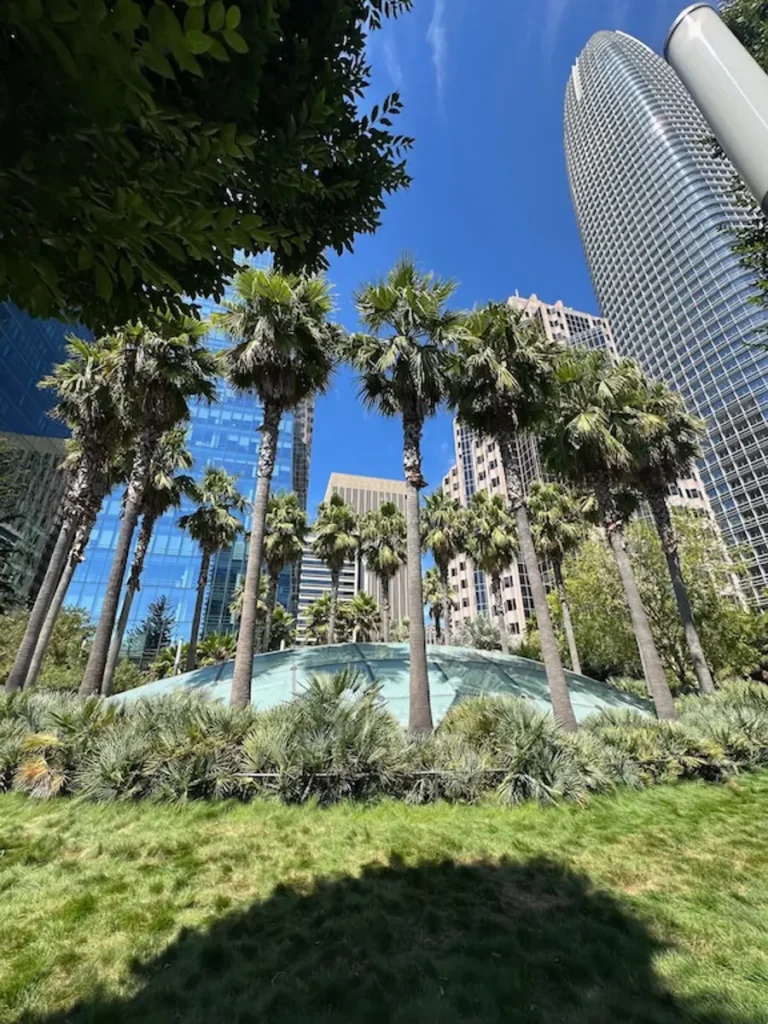
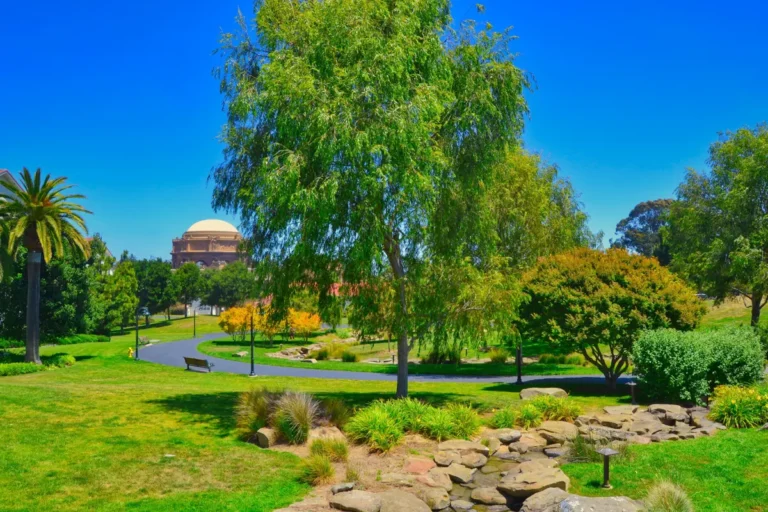
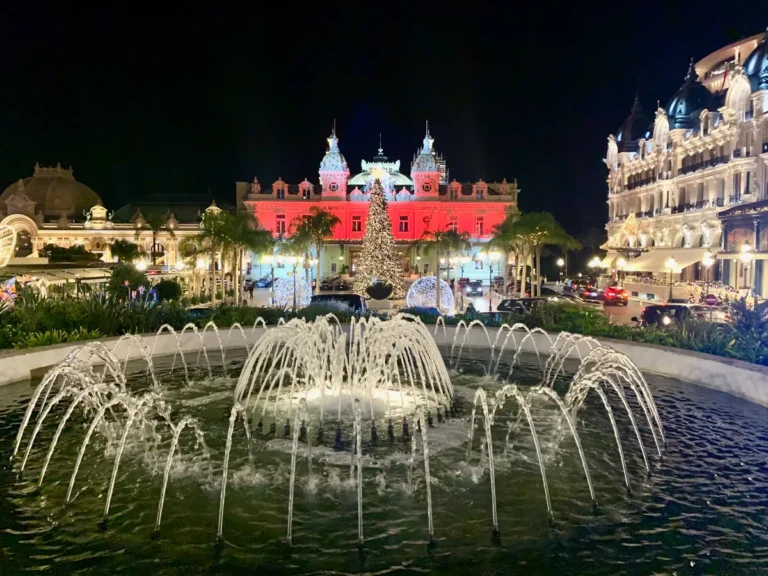
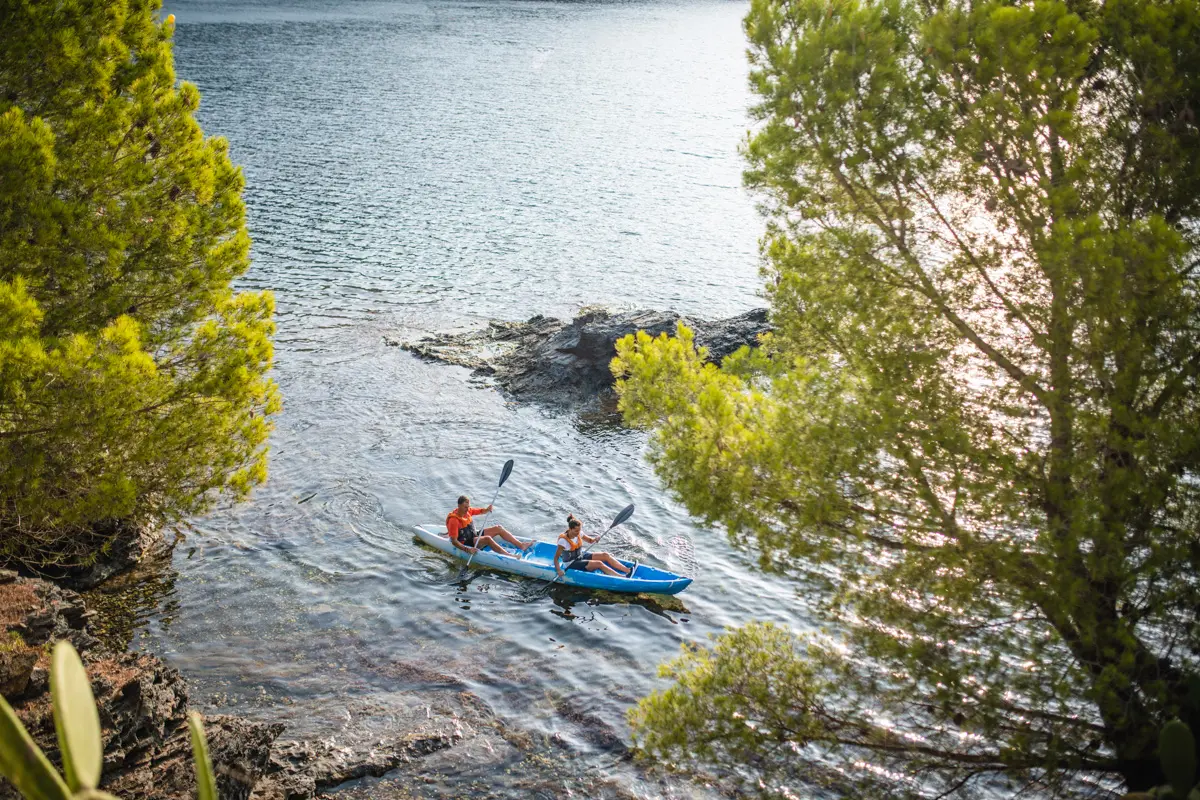
Think October in San Francisco when the fog finally loosens its grip, or September on the French Riviera when the sea is still warm but the beach clubs exhale.
And Lake Tahoe is exceptionally beautiful in the fall, when golden leaves trace the edges of the blue lake, and the air starts to crisp, hinting at the coming winter wonder.
But the shoulder season travel ‘secret’ is out.
Travel companies have reported dramatic increases in shoulder-season bookings. For example, Intrepid Travel saw a 61% increase in shoulder-season bookings to Western Europe. And the Points Guy highlights that shoulder-season trips are on the rise as tourists seek greater value and fewer crowds.
The interest in shoulder-season travel is driven partly by milder temperatures, fewer crowds, and better value.
But travelers are starting to care more about responsibility and over-tourism—the excess tourism that exceeds a locality’s capacity to cope. Popular tourist spots like Venice , Positano, and Barcelona have made headlines over the issue in recent years, angering residents.
Climate change has become a big part of the responsible travel equation, too.
Recent summers across Southern Europe brought record heat waves, crowded beaches, and viral images of tourists melting in Mediterranean cities, causing travelers to rethink their calendars.
The irony is that as more people discover the benefits of shoulder-season travel, it no longer feels particularly secret. Flights fill earlier. Hotels book out months ahead. And tours, activities, trains, and cruises require their own strategic planning.
Still, there’s a reason travelers keep chasing this ‘sweet spot’ between peak season frenzy and winter hibernation.
Because it is a very sweet time to hit the road.