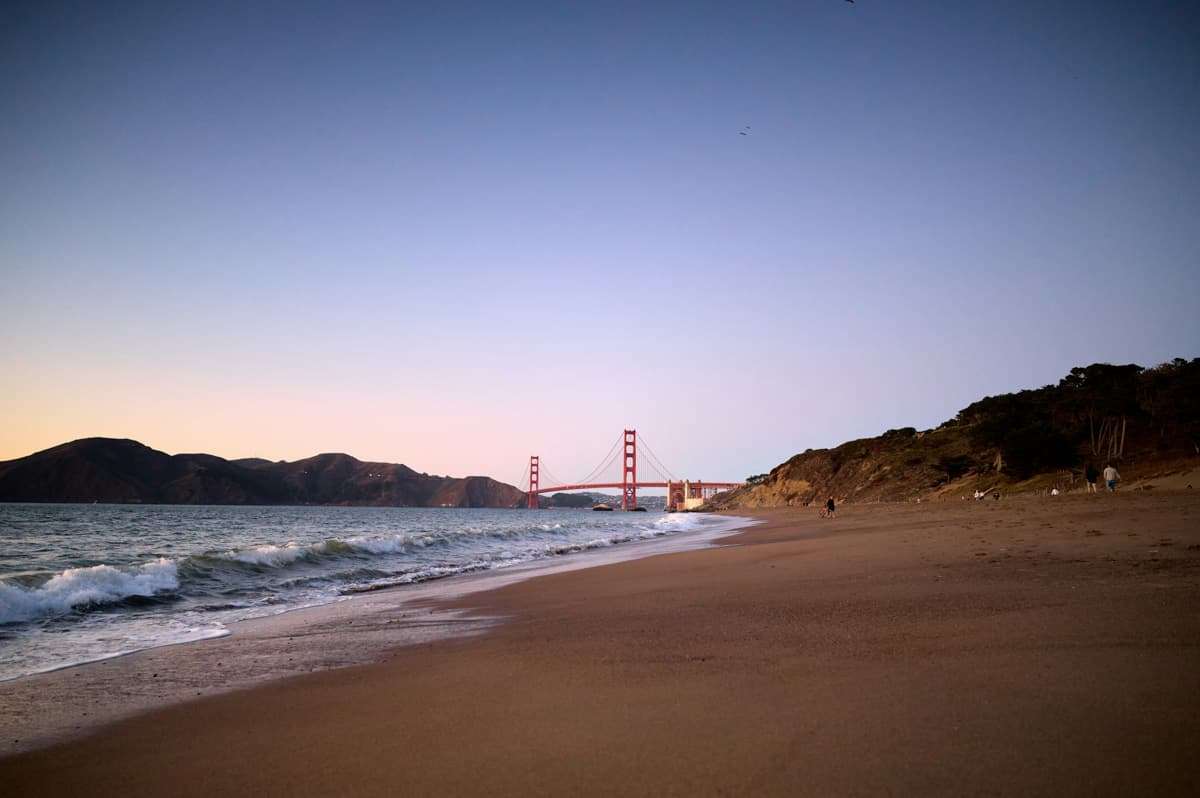
Whether you’re a first-timer or a frequent visitor to San Francisco, the weather doesn’t play much of a role in deciding when to come. After all, we don’t have blizzards, hurricanes, heatwaves, or that sticky southern-state humidity to contend with. It’s mild year-round.
However, we do have summer fog and winter rain, major convention crowds, and a ‘nicer weather’ season that can change how you’ll experience the city.
I’m here to help if you’re wondering how many days you should spend in San Francisco.
Below is a snapshot of what to expect and plan for, by season, when you visit San Francisco.
Disclosure: This post contains affiliate links, and I may earn a tiny commission if you click and purchase through them, at no extra cost to you! Thank you for helping me do what I love.
Spring (March–May)
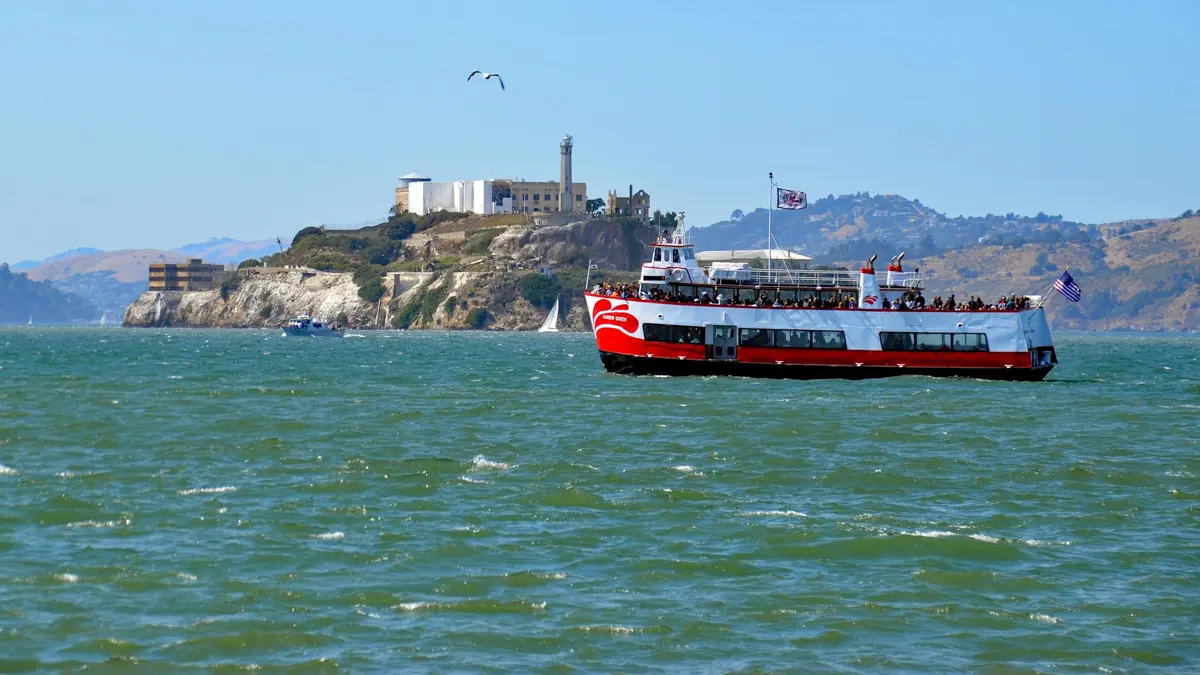
Who doesn’t love Spring? And it’s one of the most pleasant times to be in San Francisco.
The temps are mild, neighborhoods feel lively, and flowers sprout San Francisco’s great parks.
In fact, if you love cherry blossoms, there are approximately 4,700 cherry blossom trees blooming throughout San Francisco between March and May, making it a beautiful backdrop for exploring. This season, plan for:
- Great walks between neighborhoods
- Cherry Blossom Festival in Japantown
- Time to visit parks and gardens
- Fewer crowds than summer, so easier bookings at restaurants, hotels & attractions
- Tours can be less crowded too, but you should still book ahead
Spring visitors often feel they can see more in less time simply because conditions are comfortable and easier for getting around the city.
Summer (June–August)
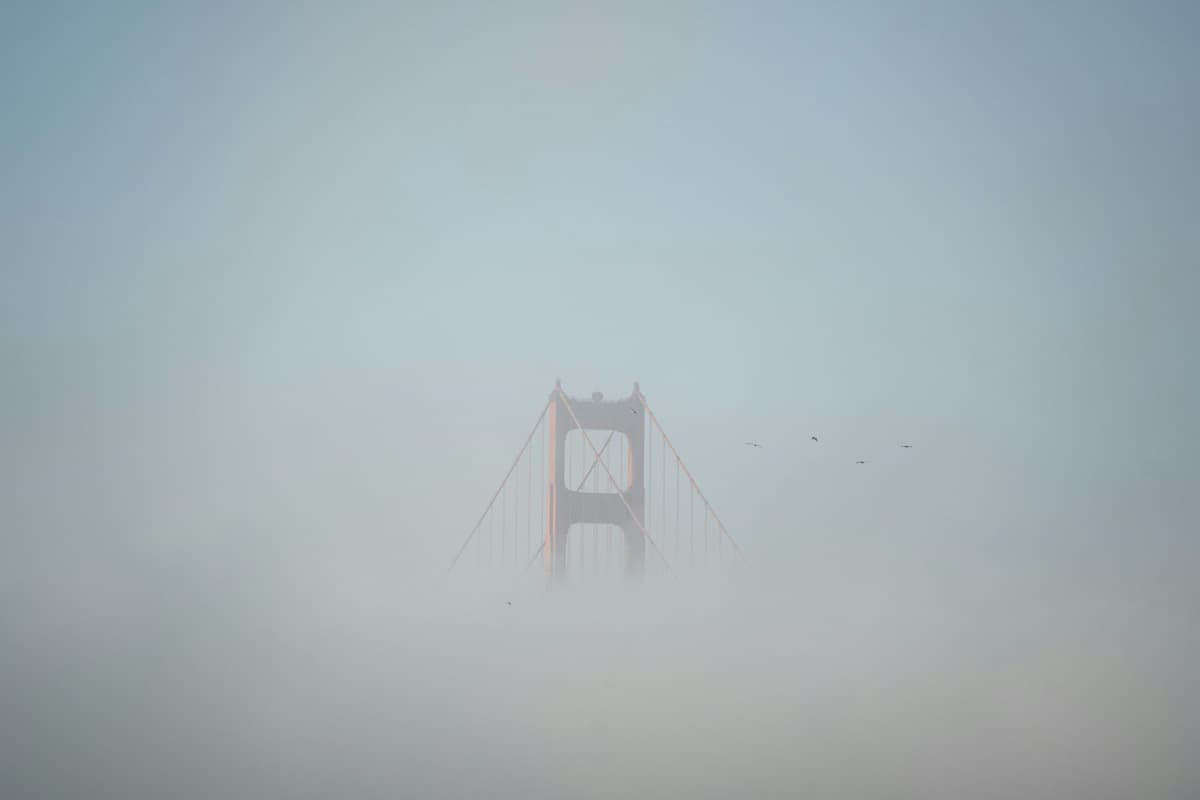
Summer weather in San Francisco surprises many first-time visitors. It’s California, it must be warm, right? Not necessarily.
Our dear Karl, the name we give to the local fog, lingers during the summer like a wet white blanket, bringing temperatures down.
Visitor numbers climb during these months too, especially families on school breaks, so plan for:
- Slower movement due to more visitors
- Booking tours, sightseeing, and restaurant and hotel reservations well in advance
- Foggy mornings and evenings
- An extra day to stay flexible and spontaneous
- Day trips to warmer climes like Napa Valley and Petaluma
If you’re wondering about how many days to spend in San Francisco, I’ve got some ideas.
Fall (September–October)
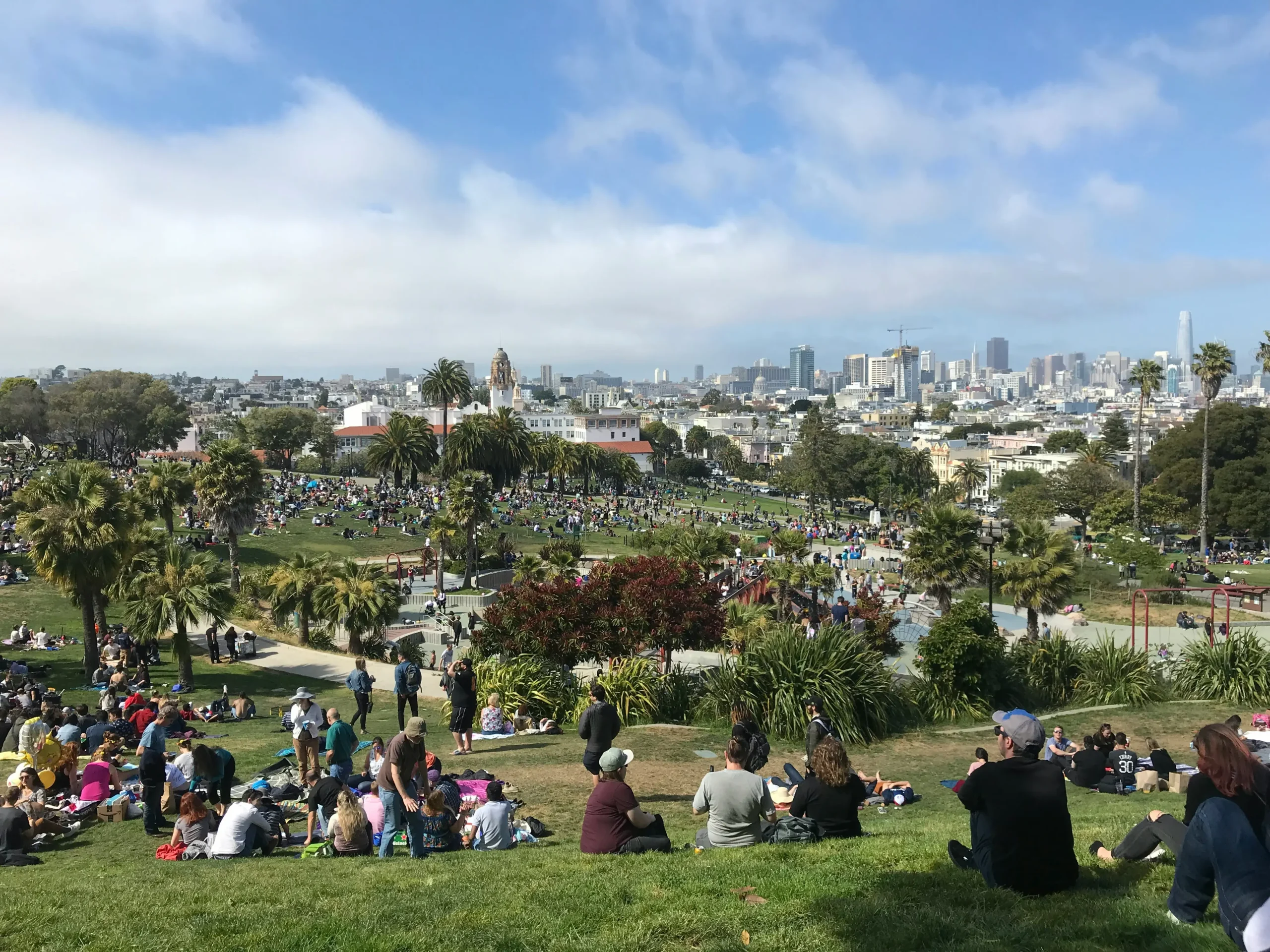
Fall is San Francisco’s summer, and a glorious time to visit. The sweet season. Warm (in the 70s) by San Francisco standards, September and October bring lots of sunshine and rarely any rain.
It’s a great time of year to visit if you want to spend your days outdoors, whether you’re enjoying the 17-stops on the upper level of the Hop-On, Hop-Off Bus, slurping happy-hour oysters, or hanging out in the Presidio. During the fall, plan for:
- The warmest weather of the year
- Outdoor activities like coastal hikes, picnics in the park, beach walks
- Guided and neighborhood tours, free concerts like Hardly Strictly Bluegrass
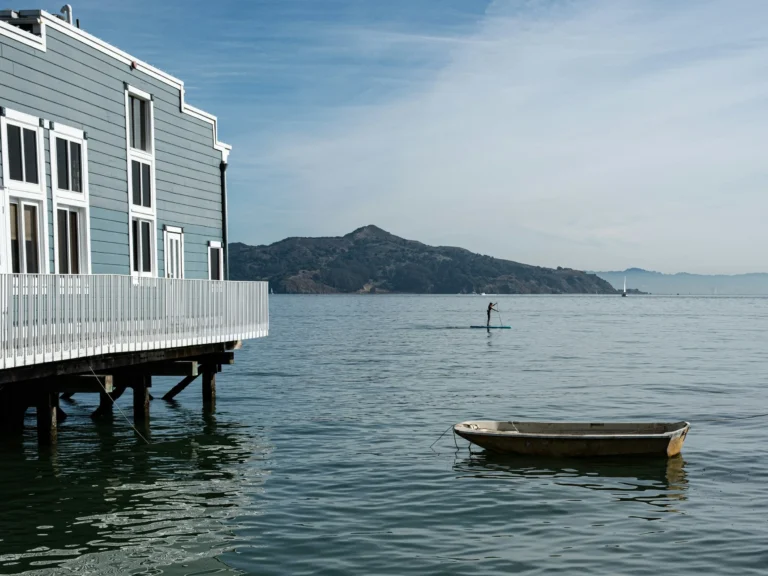
- Ferry rides across the bay to Tiburon and Sausalito, where outdoor dining is ideal
If you’re visiting for the first time, a 3-day itinerary can be just right for discovering some of the amazing things to do in San Francisco.
Winter (November–February)
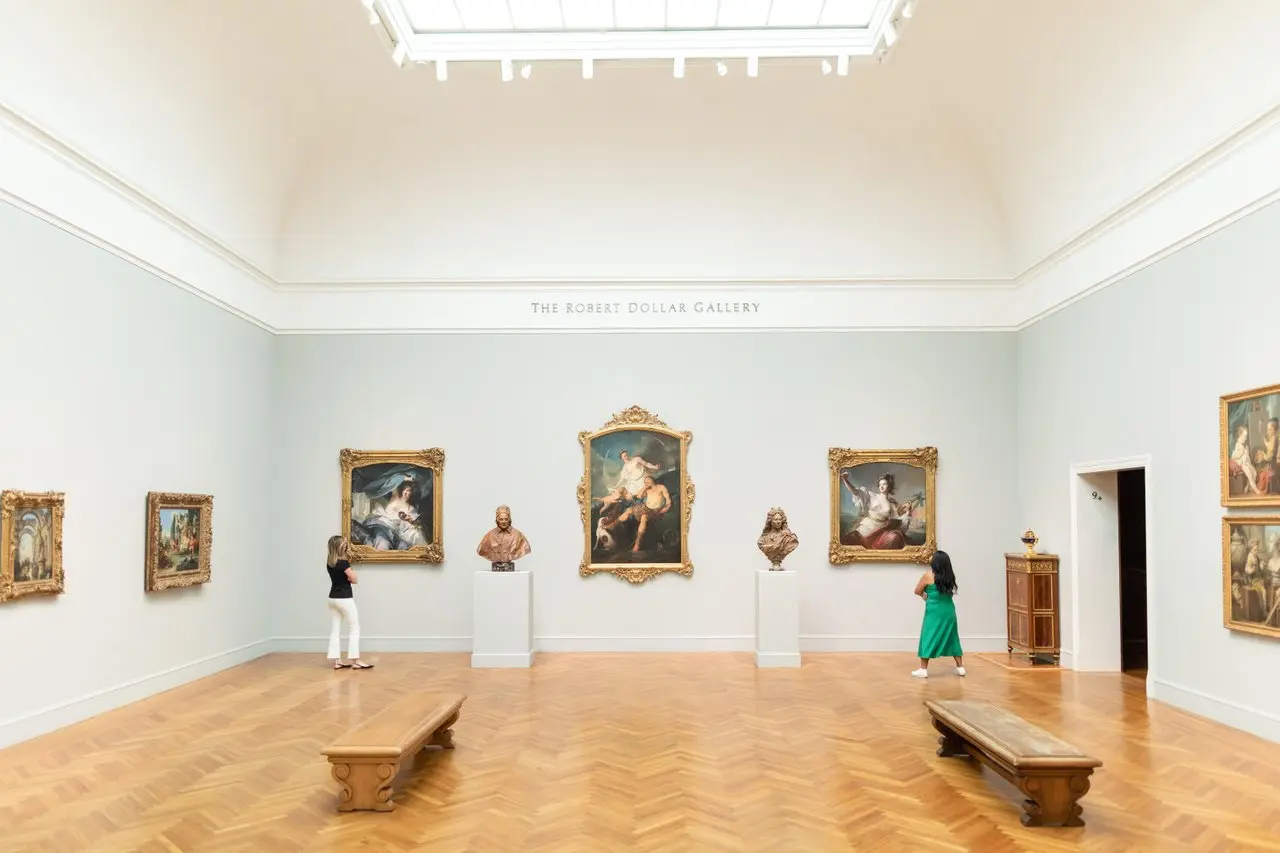
Winter in San Francisco brings cooler temperatures, rain, and shorter days, but also fewer crowds and better pricing. Plan for:
- Museums, restaurants, and indoor activities like a behind-the-scenes Oracle Park Ballpark Tour and a brunch or dinner cruise on the bay
- Flexibility and plan B ideas if it rains
- A day spa and warm bowl of ramen in Japantown (bookmark my comprehensive guide to San Francisco Japantown)
- Better hotel prices (outside the festive weeks)
Read my suggestions about for what to do in San Francisco when it rains.
The Unknown Thing Visitors Need to Consider : Conventions
San Francisco hosts major conventions year-round, many of which are held at the Moscone Center in the SOMA district. These massive events can significantly impact hotel prices and availability. Some conventions to look out for:
Dreamforce (September)
Dreamforce is San Francisco’s largest conference, and tens of thousands of attendees flood the city, hotels sell out months in advance, and prices spike across nearly every neighborhood. Downtown, SoMa, and Union Square are especially busy during this week.
RSA Conference (late April–Early May)
The RSA Conference typically takes place in late April or early May. It draws a large business crowd and heavily affects hotels near the Moscone Center. Weekday transit and restaurants downtown can feel noticeably busier.
Game Developers Conference (March)
The conference attracts a younger, international crowd focused on gaming and tech. Hotel demand rises downtown, and nightlife areas near SoMa and Union Square see increased activity throughout the week.
JP Morgan Healthcare Conference (January)
This invitation-only conference quietly fills many of San Francisco’s luxury hotels, particularly around Union Square and Nob Hill. Despite it being winter, hotel rates can be surprisingly high during this period.
What all of this means for you during major convention weeks:
- Hotel prices often rise citywide
- Availability of hotel rooms can be tough
- Downtown and SoMa are busier on weekdays
- Restaurant reservations and maybe some tours book up faster
Travelers staying in neighborhoods away from the convention center and downtown may feel less impact, but availability and pricing can still be affected.
Travel Tip: If your travel dates are flexible, checking San Francisco’s convention calendar before booking can help you avoid peak pricing and secure a hotel room in the neighborhood you want.
The Bottom Line on the Best Time to Visit San Francisco
San Francisco is a true year-round city, but the season you choose will affect your experience, budget, and planning.
Spring and fall make it easier to see more in less time and enjoy the outdoors, while summer and winter reward travelers who build in flexibility (and bring a rain jacket).
When deciding when to visit San Francisco, think less about the forecast and more about how you want your days to feel.