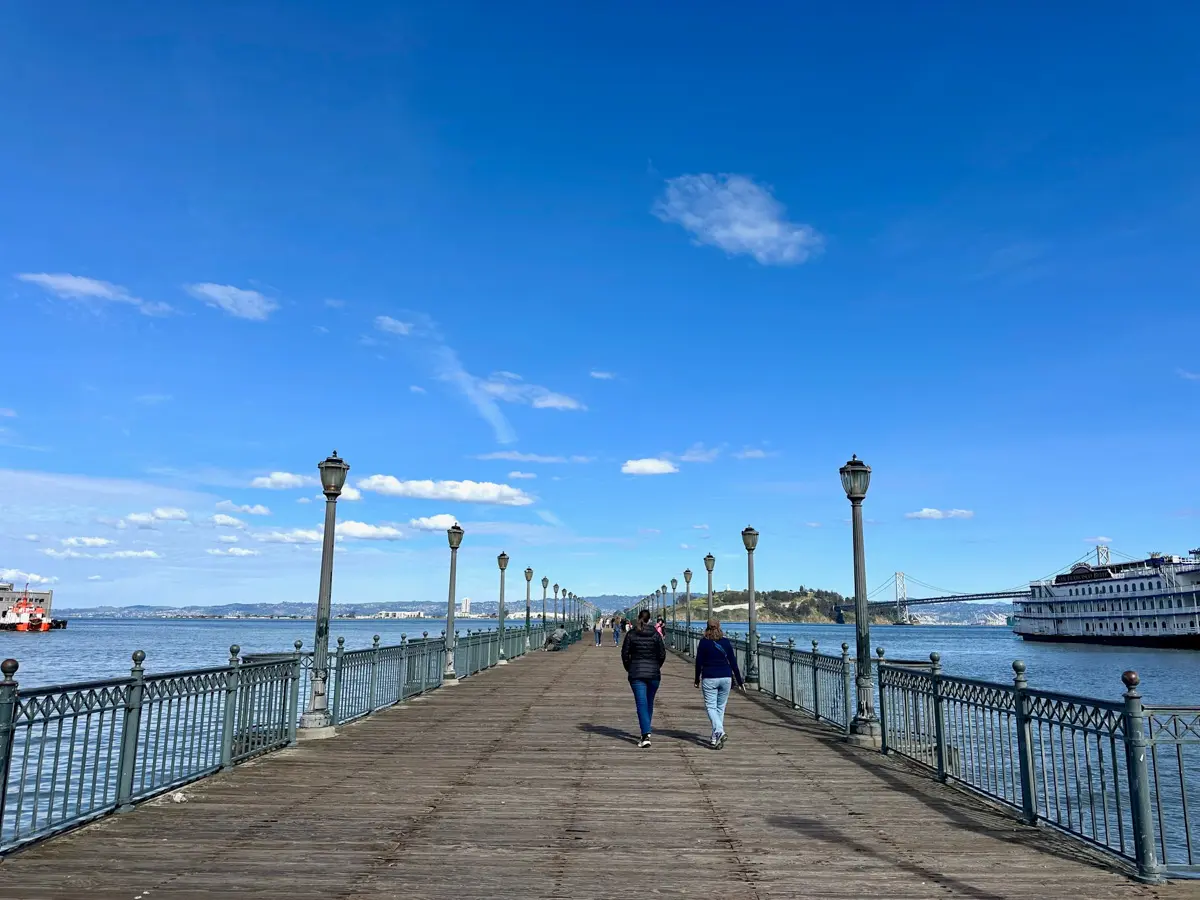
San Francisco is one of the easiest major U.S. cities to visit without a car, and in many cases, not having one makes the experience better.
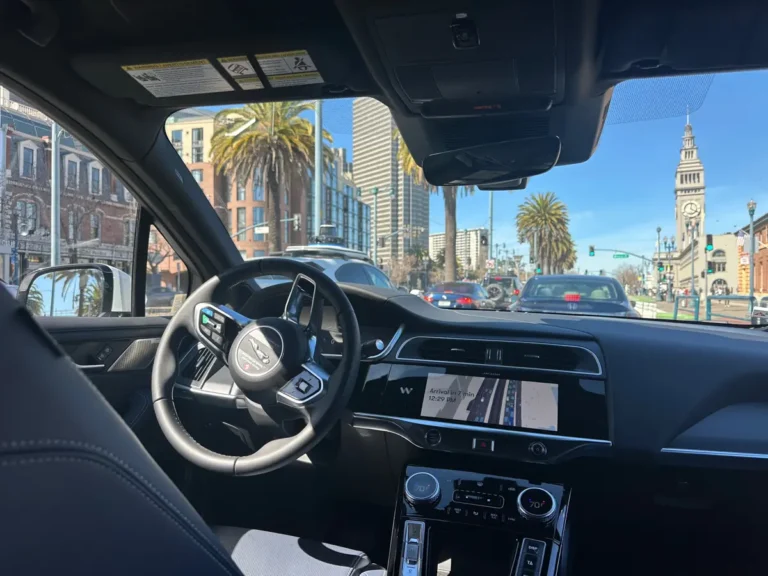
Thanks to a network of cable cars, buses, ferries, and rideshares, as well as Waymo, San Francisco’s driverless cars, visitors can easily see the city comfortably without getting behind the wheel.
In fact, once you factor in parking costs, traffic, and steep hills, driving is usually more trouble than. If you’re visiting San Francisco on a budget , foregoing a car will definitely make it easier to stick to it.
Disclosure: This post contains affiliate links, and I may earn a tiny commission if you click and purchase through them at no extra cost to you! Thank you for helping me do what I love!
Why Visiting San Francisco Without a Car Works
You’ll often hear the term “7-by-7” tossed around San Francisco — a reference to the city’s roughly seven-mile-by-seven-mile footprint.
In other words, it’s compact. That small size, combined with a neighborhood-focused layout rather than highway sprawl, is what gives San Francisco much of its charm, accessibility, and walkability.
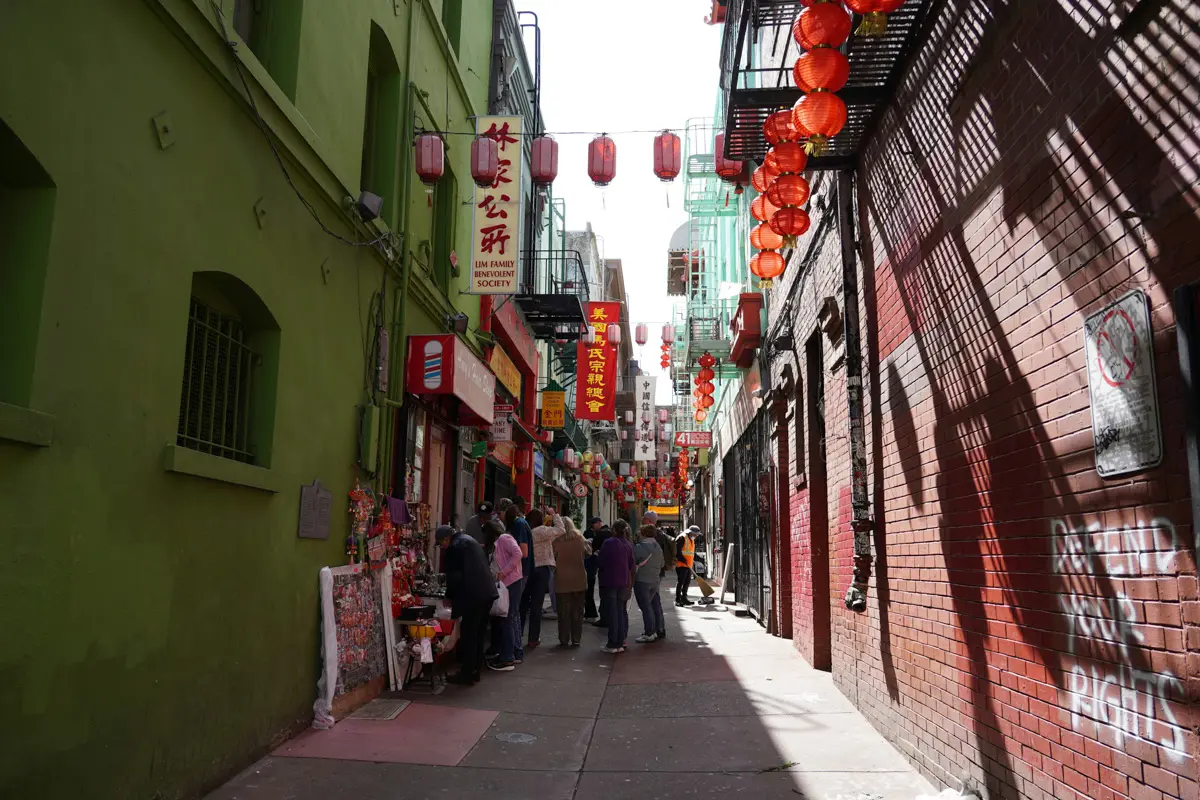
Many of the city’s most popular areas, such as North Beach, Chinatown, and the Embarcadero, sit close together, making it easy to walk between them all.
To explore cities across the bay, taking the ferry to Sausalito or Tiburon makes a lot more sense than driving, too, since the ferry drops you in the heart of the action.
Public Transportation in San Francisco: What to Know
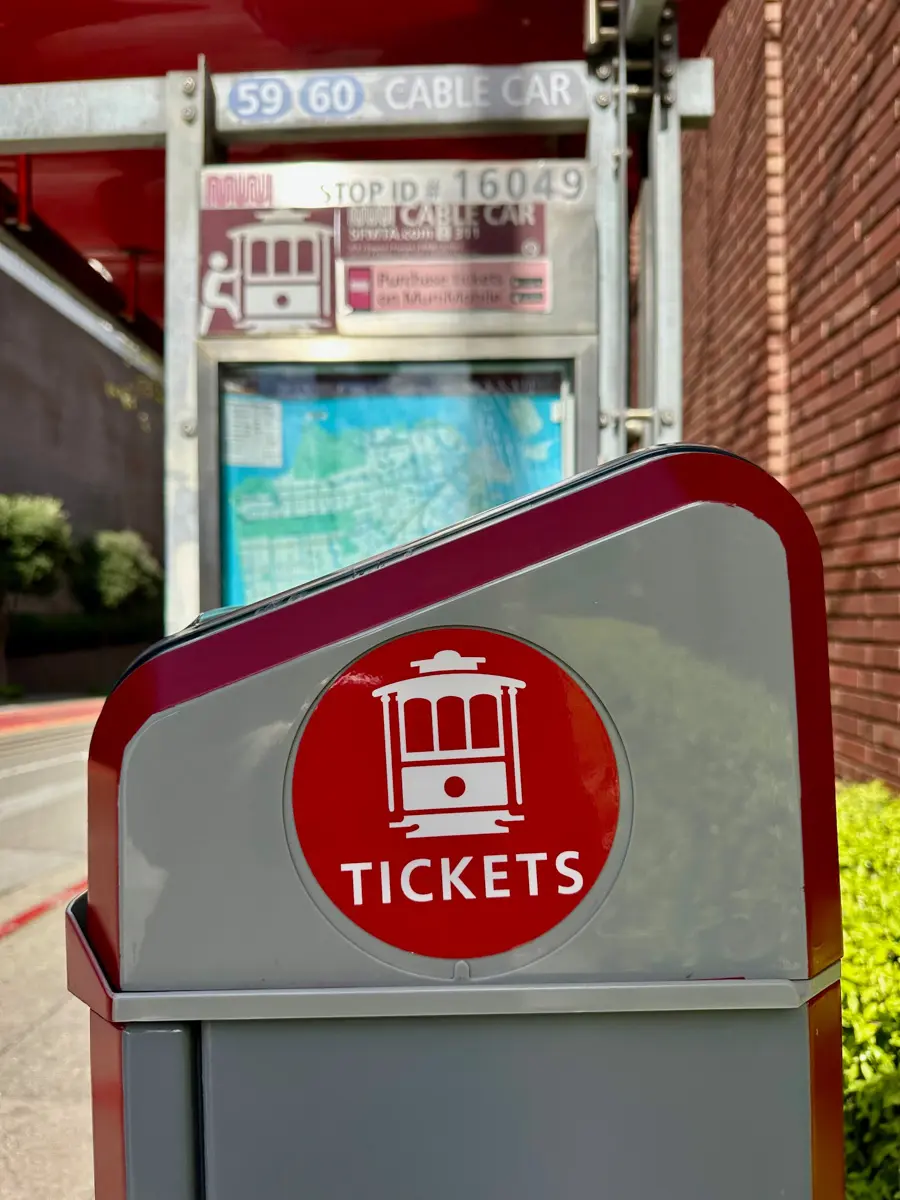
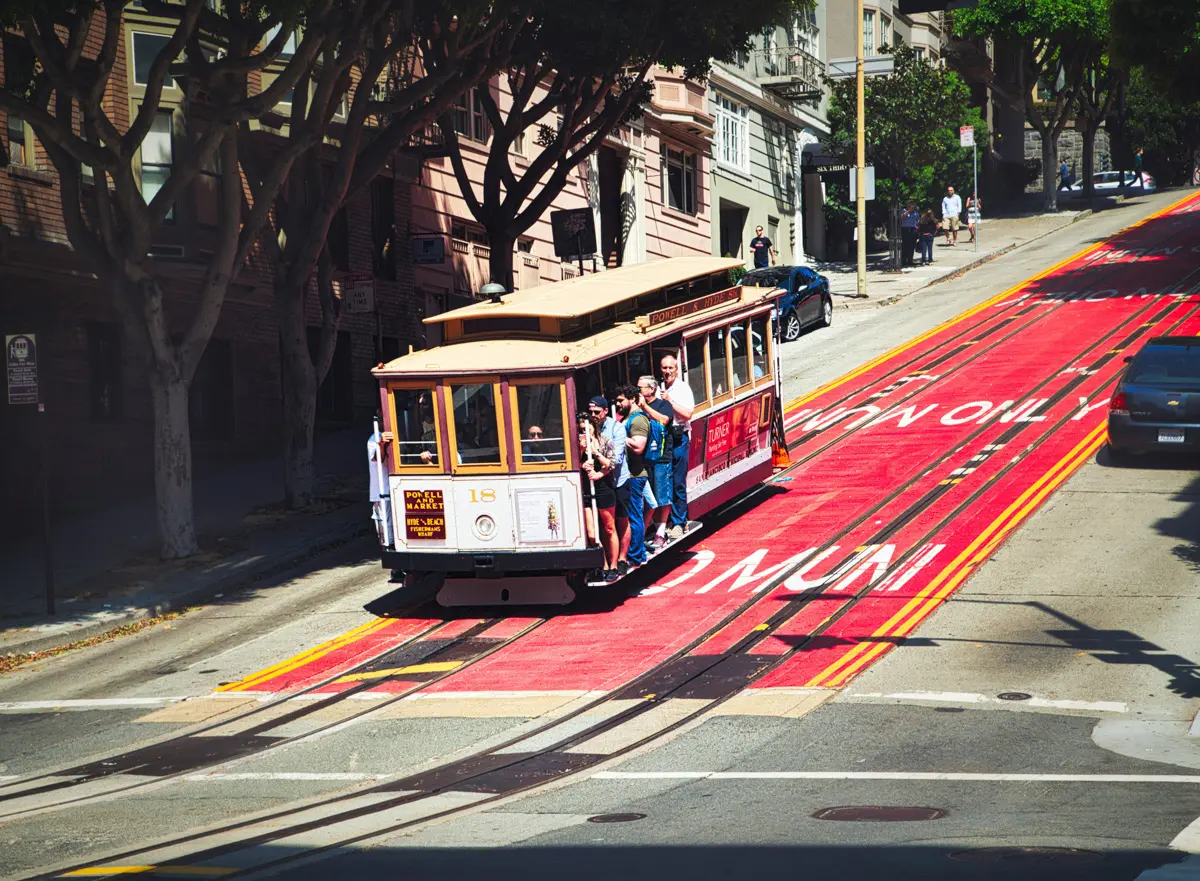
San Francisco’s public transit system includes MUNI buses and light rail, BART trains, historic cable cars, and ferries.
MUNI lines run through tourist and local neighborhoods, not just commuter corridors, thus you can reach places like Golden Gate Park, Fisherman’s Wharf, Oracle Park, North Beach, the Presidio, and Chinatown by bus or tram.
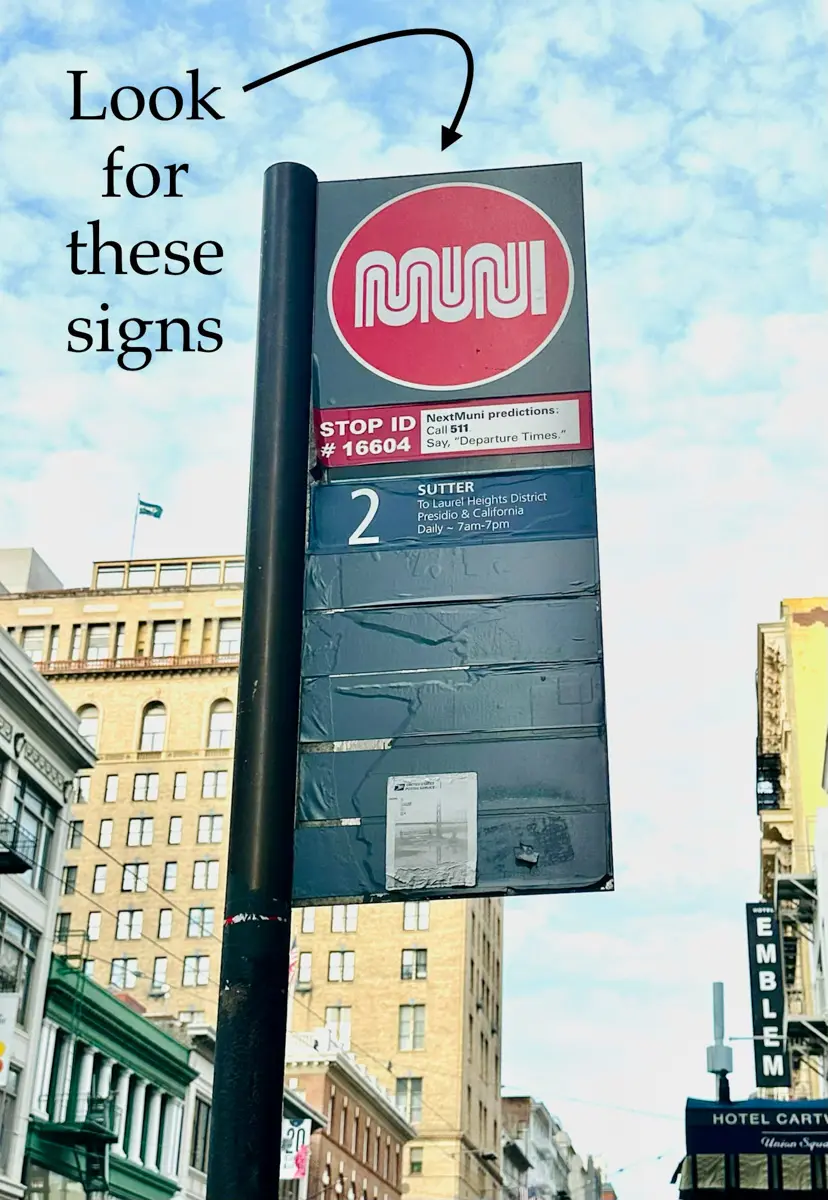
For visitors, here’s how each one is most useful:
- MUNI covers most neighborhoods and major attractions (and generally runs every 5 to 15 minutes during peak hours)
- BART is ideal for airport transfers and East Bay trips to Berkeley or Oakland
- Ferries connect downtown (via the Ferry Building) to places like Sausalito and Tiburon, both excellent half-day trips.
- Cable cars are fun and functional. The California line, for example, climbs to Nob Hill, where you can hop off to see Grace Cathedral or take a Free SF City Guides tour of the Fairmont Hotel (I did it recently, and it was fabulous).
Travel Tip: Download the Clipper Card app on your phone to use across all of these systems and get around cash-free. You can also buy tickets at certain locations too, but Clipper is the way to go.
You can also use the Clipper card to unlock Bay Wheels, the rentable bike-share system with 7,000+ classic and e-bike models throughout San Francisco, Oakland, Berkeley, and San Jose. While the same card works for both MUNI and Bay Wheels, bike rentals are charged to the credit card on the account, not the Clipper card balance.
What’s Easy to See Without a Car
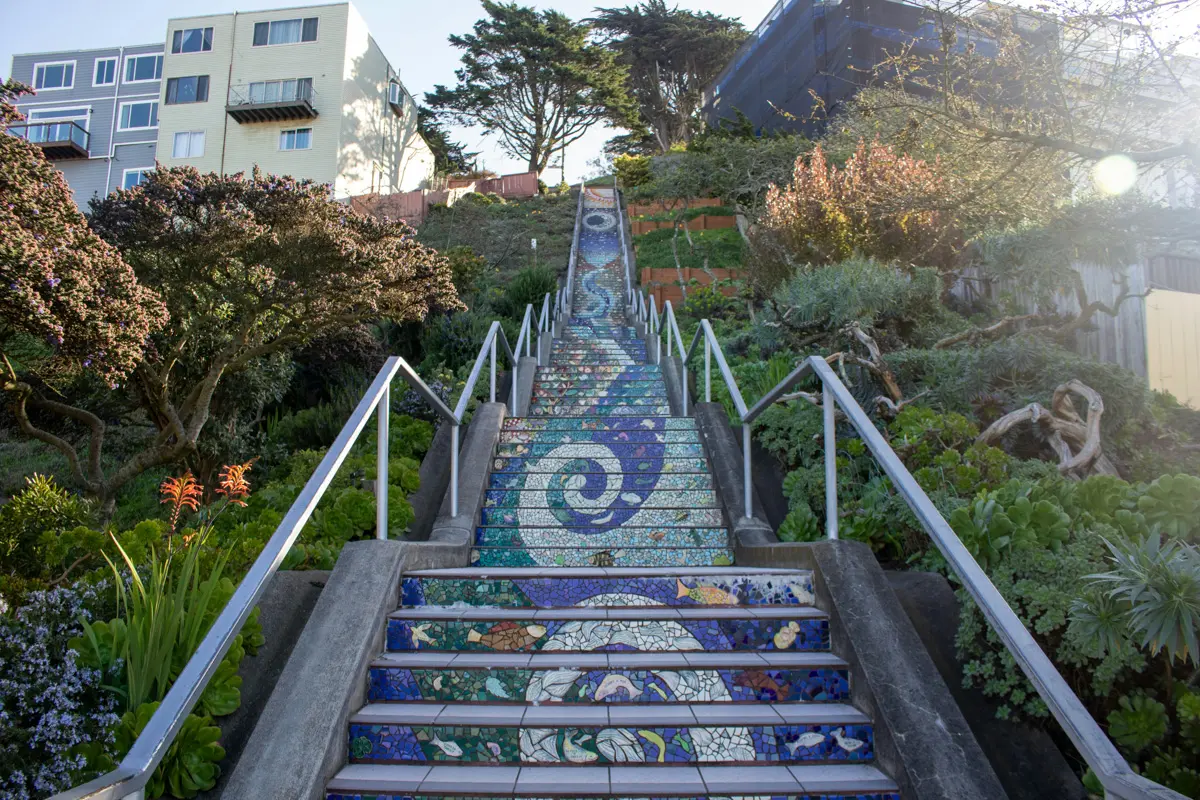
If you’re visiting San Francisco for the first time, you’ll find that most neighborhoods are easy to explore, and many of San Francisco’s most famous landmarks are accessible without driving, too, including:
- The Ferry Building
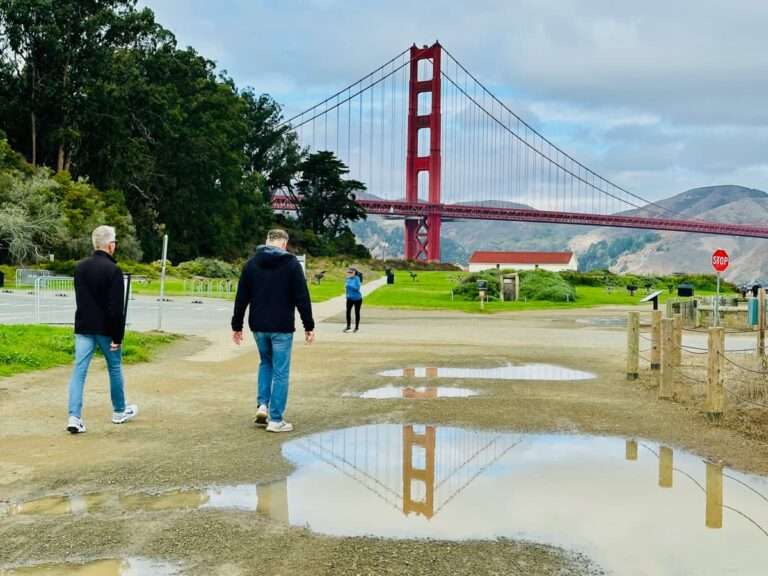
- The Golden Gate Bridge
- Grace Cathedral
- Fisherman’s Wharf and Pier 39
- Golden Gate Park (via MUNI lines)
- North Beach and Chinatown
- The Presidio
- Downtown
I listed several places here, but honestly, you can reach just about anywhere in San Francisco. Just like most large cities, traffic can be brutal, and parking challenging, and expensive.
Also, if you’re not used to driving on steep hills (or don’t know which streets to avoid), you might burn out your brakes and your nerves by the end of your visit.
Did I mention parking is expensive? It varies by location and time, but for example, I recently drove to the Ferry Building on a Saturday to meet a friend for lunch and parked at a meter about three blocks away. For 2.5 hours, it cost $22.50. I got lucky to have found that space too. Right place, right time.
When Having a Car Might be Useful
There are a few situations where having your own wheels might be more convenient, though I’d still argue it’s not essential:
- Visiting multiple neighborhoods late at night. But ride-shares and Waymo also work well.
- Traveling with bulky or professional gear, or small children.
- Taking day trips or weekend getaways outside the city to places such as Napa, Muir Woods, or Filoli Estate & Gardens. However, tours can make that easy too, and they take care of all the planning, driving, and parking so you can enjoy your vacation, stress free.
Is Visiting San Francisco Without a Car Worth It?
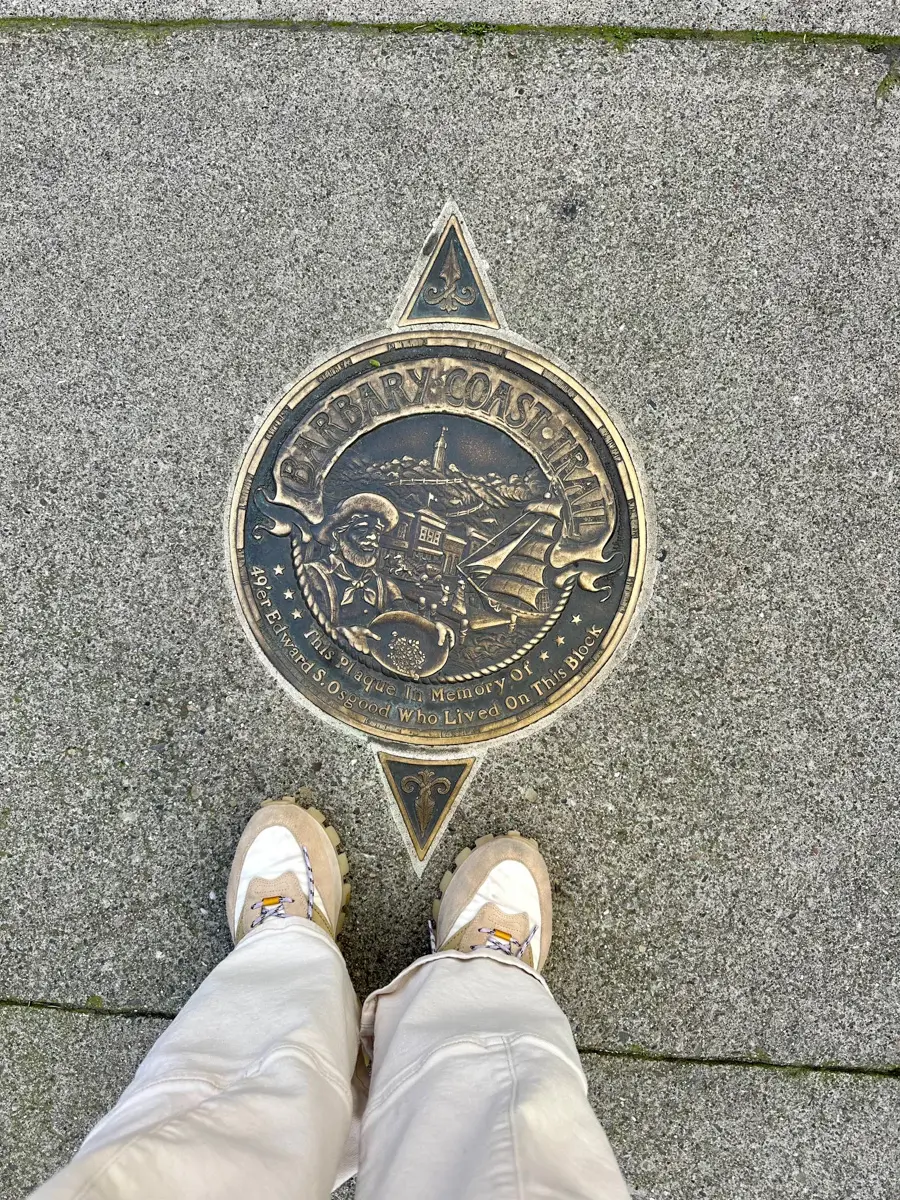
I think so! I can pretty much guarantee that skipping one will save you money (rental fees, gas, parking, tickets), time, and stress.
Walking, riding transit, and taking ferries also have the added bonus of discovering neighborhoods, details, and views you’d miss while focused on driving. This still happens to me, and I’ve lived here a long time.
For a short trip or first visit, skipping the car is the smarter choice. It not only takes away the stress of driving and parking, but it also gives you more money and time to enjoy San Francisco’s museums, famous landmarks, and other amazing attractions.